

Key Takeaways
Why the liver is so exposed to everyday habits
The liver sits at the intersection of nearly every metabolic process in the body. It filters blood arriving from the digestive tract, processes nutrients, neutralizes toxins, regulates blood glucose, and synthesizes proteins. Because everything absorbed from the gut passes through the liver first, the choices made at the dinner table, the medicine cabinet, and the kitchen counter all reach this organ before they reach anything else.
That central position makes the liver both resilient and unusually exposed. It regenerates tissue better than most organs, yet it accumulates damage silently. By the time symptoms appear, the underlying problem is often well established.
No symptoms does not mean no harm
The liver has substantial functional reserve, meaning it can sustain considerable stress before producing obvious symptoms. Fatigue, bloating, or skin changes may occasionally reflect liver stress, but many people notice nothing at all. Regular check-ups that include liver enzyme testing are the most reliable way to catch problems early. See signs the liver may be under stress for a guide to which symptoms warrant medical attention.
The habits discussed below are not rare or extreme behaviors. They are common routines that generate steady, low-level stress on liver cells over months and years. Understanding the mechanism behind each one makes it easier to act on the information rather than file it away.
The habits that accumulate liver stress
Consuming high amounts of added sugar and refined carbohydrates daily.
Why it happens: Sweetened beverages, packaged snacks, and white bread are cheap, convenient, and heavily marketed, making them easy defaults for busy adults.
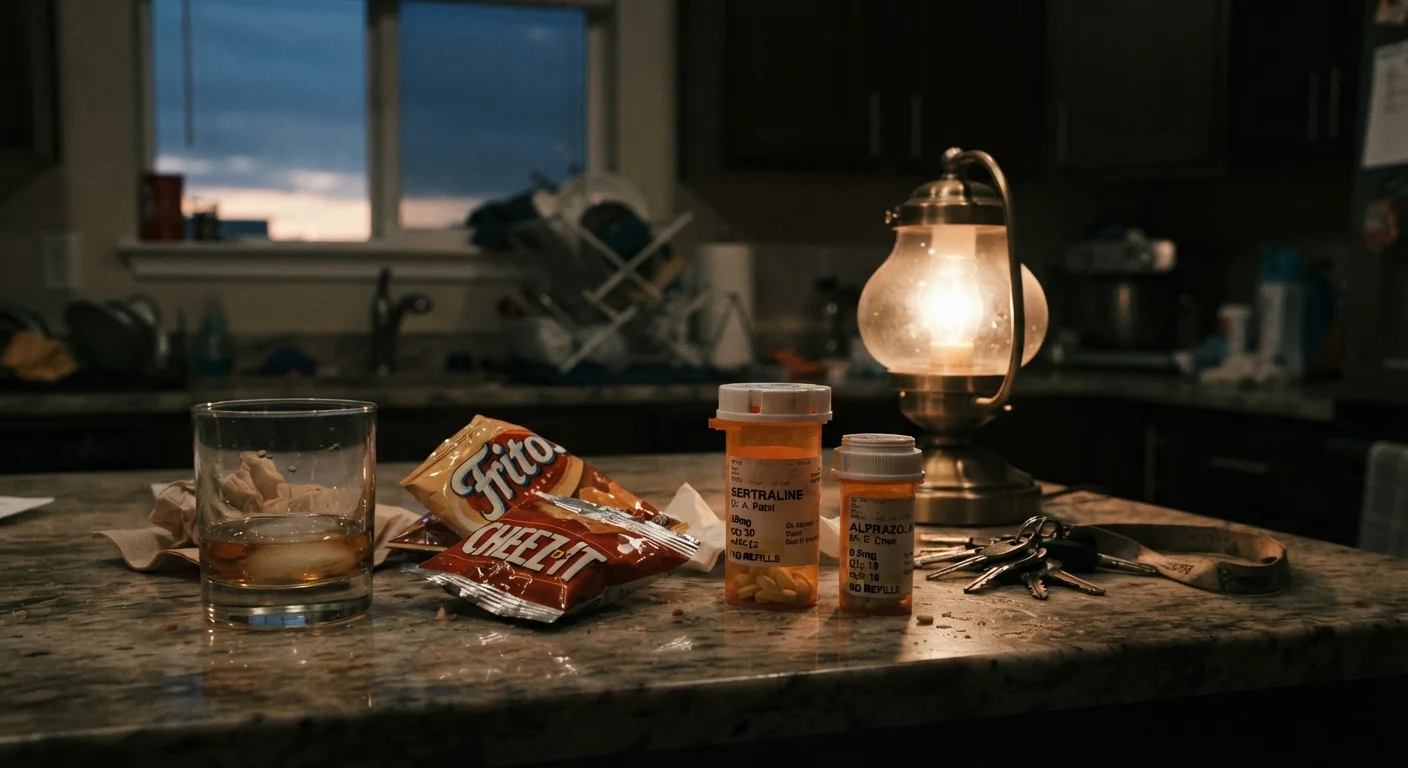
Taking multiple over-the-counter pain relievers or supplements without checking for overlap.
Why it happens: Acetaminophen appears in dozens of cold, sleep, and pain products under different brand names, making accidental double-dosing common. Supplements are often assumed to be inherently safe.
Drinking alcohol regularly even in amounts considered moderate.
Why it happens: Public messaging around moderate drinking has historically been mixed, and social norms around regular wine or beer consumption are deeply embedded.
Sleeping fewer than seven hours most nights.
Why it happens: Work schedules, late-night screen use, and social obligations push sleep back without any immediate, obvious physical consequence the next day.
Living a largely sedentary lifestyle.
Why it happens: Desk jobs, long commutes, and screen-based leisure make physical inactivity the structural default for many adults.
Ignoring the connection between gut health and liver function.
Why it happens: The gut and liver are rarely discussed together in everyday health content, so people address them as entirely separate concerns.
These patterns do not act in isolation. A person who sleeps poorly, eats a high-sugar diet, and takes a daily over-the-counter painkiller is placing several concurrent demands on the same organ. The liver handles each task through specific enzymatic pathways, and those pathways share resources. When multiple inputs arrive simultaneously, the burden compounds.
Gut function connects to liver health more directly than most people realize. The portal vein carries gut-derived blood, including bacterial metabolites, directly to the liver. Habits that disrupt the gut microbiome, such as low fibre intake or antibiotic overuse, produce inflammatory signals that travel this route continuously. The lymphatic system also supports waste clearance from liver tissue, and sedentary habits reduce lymphatic circulation alongside vascular flow.
Do not stop medications without medical guidance
If you are concerned that a prescription or over-the-counter drug is affecting your liver, speak with a pharmacist or prescribing physician before changing your regimen. Stopping certain medications abruptly can be more harmful than continuing them. Your healthcare provider can review your full medication list and assess actual risk.
This article is for general health education and is not a substitute for medical advice. Consult a qualified healthcare professional before making changes to your medication, supplement, or diet regimen, and especially before acting on any concern about liver health.