
A Comprehensive Look at Digestive Support: Habits, Nutrition, and Lifestyle Together

Key Takeaways
How digestion actually works
The digestive system is a continuous tube stretching from the mouth to the rectum, coordinated by the enteric nervous system, a network of more than 100 million neurons embedded in the gut wall. That network communicates bidirectionally with the brain via the vagus nerve, which is why emotional states can produce physical gut symptoms and vice versa.
Digestion begins in the mouth. Chewing breaks food into smaller particles and mixes it with amylase, an enzyme in saliva that starts starch breakdown. From there, the stomach uses hydrochloric acid and pepsin to denature proteins and reduce the meal to a semi-liquid called chyme. The small intestine then extracts most nutrients, assisted by bile from the liver and enzymes from the pancreas. The large intestine absorbs water and ferments remaining fiber, producing short-chain fatty acids that nourish the colon lining.
The liver is central to this process, producing bile that emulsifies fat and processing absorbed nutrients before they reach general circulation. Disruptions anywhere along this pathway, whether in enzyme production, transit speed, or microbial balance, can create symptoms ranging from bloating to nutrient deficiency.
Understanding these mechanisms helps explain why isolated fixes rarely work. Digestive health depends on the coordination of multiple organs, each influenced by food, behavior, and nervous system state.
Foods that consistently support digestive function
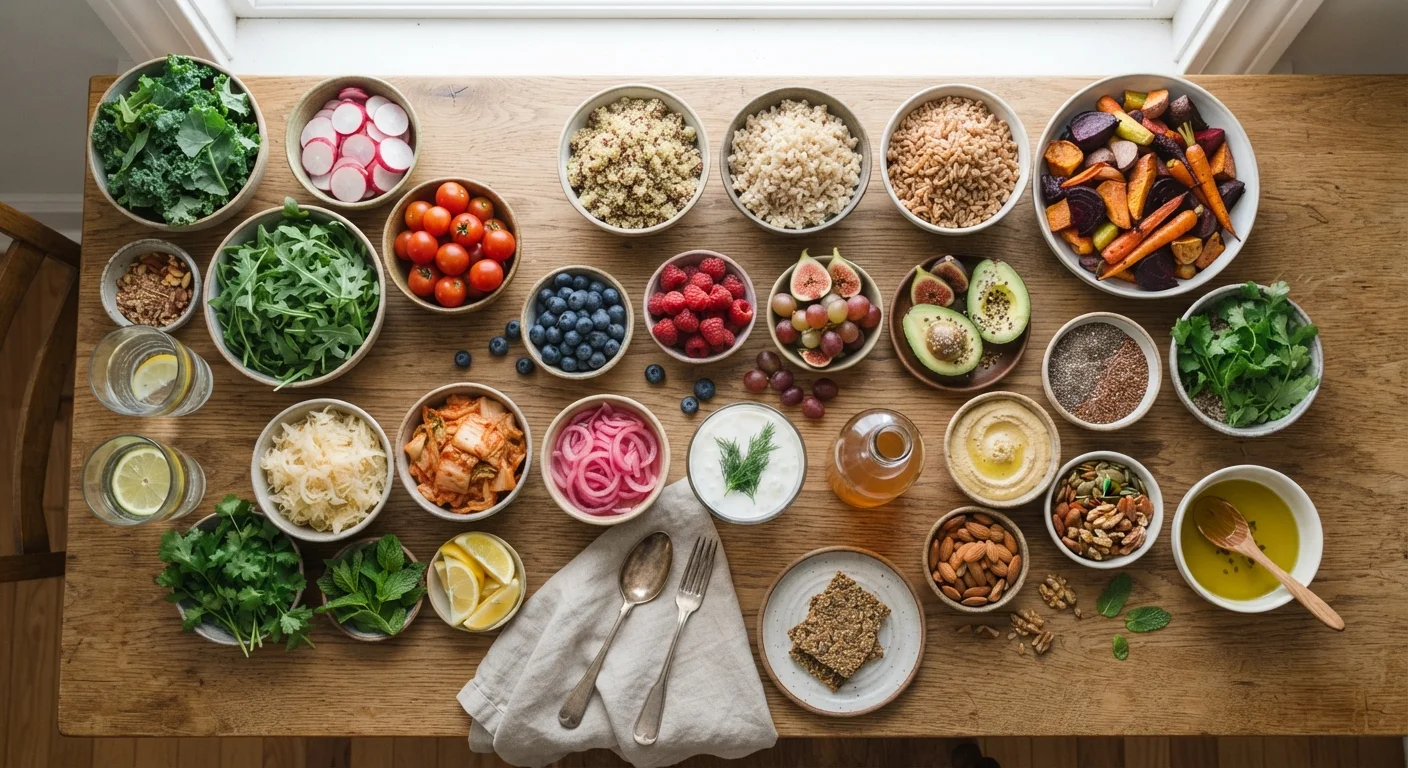
Dietary fiber is the most consistently documented nutritional factor in digestive health. Soluble fiber, found in oats, legumes, and many fruits, forms a gel in the intestine that slows transit and feeds bacteria that produce butyrate, a short-chain fatty acid associated with colon health. Insoluble fiber, found in wheat bran, nuts, and many vegetables, adds bulk and accelerates transit, reducing the time potentially harmful compounds stay in contact with the colon wall.
For a detailed breakdown of which foods research has linked to better digestive outcomes, see foods nutritionists consistently link to better digestive function.
Aim for variety in fiber sources rather than simply increasing total fiber intake. Different fiber types feed different bacterial species, and microbial diversity depends on that range.
Research on the gut microbiome consistently shows that species richness correlates with dietary diversity, particularly across distinct plant families, not just overall fiber grams.
Introduce fermented foods gradually if your current diet is low in them. A rapid increase can cause temporary bloating as the gut microbiome adjusts.
The gut's microbial population changes in response to new inputs, and giving it time to adapt reduces the discomfort that often causes people to abandon these foods prematurely.
Fermented foods, including yogurt with live cultures, kefir, kimchi, sauerkraut, and miso, introduce beneficial microorganisms and may increase microbial diversity, though the magnitude of benefit varies between individuals and is still an active area of research. Polyphenol-rich foods such as berries, dark leafy greens, and green tea also appear to selectively feed beneficial bacteria.
Highly processed foods, those with high added sugar, refined starch, and emulsifiers, are associated with reduced microbial diversity and greater gut permeability in observational research. That does not mean every processed food is harmful, but a pattern dominated by them reduces the substrates beneficial bacteria need to thrive.
Daily habits that shape gut health
Meal timing and eating pace matter more than most people recognize. Eating too quickly reduces chewing thoroughness, which forces the stomach and small intestine to work harder. It also compresses the digestive timeline in ways that can lead to bloating and incomplete absorption. Slowing down is not a vague wellness suggestion; it directly affects enzyme contact time with food particles.
Hydration is another underrated factor. Water is required for mucus production throughout the gut, for bile concentration, and for stool consistency. Inadequate fluid intake is one of the most common correctable contributors to constipation, though individual needs vary based on diet, body size, and activity level.
Some common daily routines work against digestive efficiency without producing obvious warning signs. The article daily habits that quietly undermine your digestion covers several of these in depth. Eating at irregular times, skipping meals and then overeating, and consuming large volumes of liquid with meals are among the patterns that can disrupt normal gastric function.
For a practical eating structure that avoids restrictive extremes, the guidance in building a gut-friendly eating routine and building a gut-friendly eating pattern from the ground up provides a solid foundation.
Movement, sleep, and stress as digestive factors
Physical activity speeds colonic transit. Research has shown that even moderate-intensity movement, such as brisk walking, can reduce transit time and alleviate constipation. Exercise also appears to increase microbial diversity, independent of dietary changes. The mobility and recovery practices that reduce musculoskeletal discomfort can also make it easier to stay consistently active, which has downstream benefits for the gut.
High-intensity exercise and gut symptoms
Very high-intensity or endurance exercise can temporarily impair gut blood flow and worsen symptoms in people with irritable bowel syndrome or other motility conditions. If you experience nausea, cramping, or diarrhea associated with exercise, speak with a healthcare provider before increasing intensity. Moderate, consistent activity is the tier most consistently associated with digestive benefit.
Sleep is a less obvious but well-documented influence on gut health. Circadian rhythms govern the activity cycles of gut bacteria; disrupted sleep alters the timing and composition of microbial activity. Short sleep duration has been associated with reduced diversity in observational studies, and shift workers show different microbial profiles compared to people with regular sleep schedules.
Chronic psychological stress activates the hypothalamic-pituitary-adrenal axis, which raises cortisol and alters gut motility. It can speed transit to cause loose stools, or slow it to cause constipation, depending on individual response. Stress also increases intestinal permeability in some research models, though the clinical significance in healthy adults is still being studied.
Putting it together: a practical framework
No single intervention produces lasting digestive health. The evidence consistently points to pattern-level change: a diet with adequate fiber and fermented foods, regular physical activity, consistent sleep, and stress management practiced together over months, not days.
A useful starting point is identifying the dimension with the largest gap. Someone eating a highly processed diet will see more benefit from dietary change. Someone eating well but sleeping poorly may find sleep quality the higher-leverage area. For people managing chronic digestive symptoms, individual factors such as food sensitivities or motility disorders require evaluation by a gastroenterologist before any general framework applies.
Sustainable daily practices that support long-term gut health provides a more detailed roadmap for maintaining these habits consistently. The goal is not a temporary protocol but a set of routines durable enough to carry forward.
This article is for general informational and educational purposes only and does not constitute medical advice. If you are experiencing persistent or severe digestive symptoms, consult a qualified healthcare professional before making significant changes to your diet or lifestyle.