

Key Takeaways
Why fungal infections are so easy to mismanage
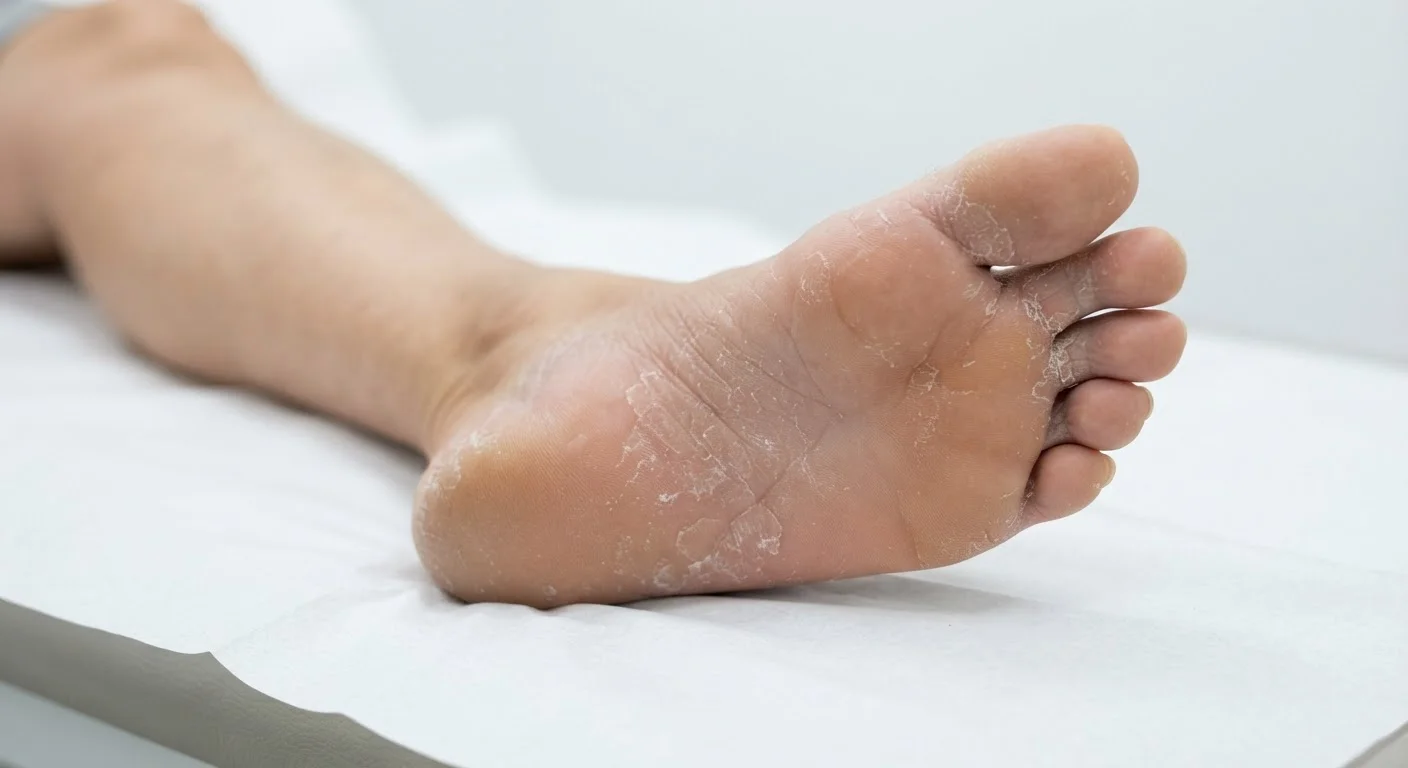
Fungal infections are common, but they are also frequently undertreated, misidentified, or managed with the wrong approach. The result is a cycle of partial recovery and relapse that many people experience for months or years without understanding why.
Several distinct errors account for most of this. They are not obscure or difficult to avoid once identified, but they do require a clearer picture of how fungal organisms behave, how antifungal agents work, and what recovery actually looks like. The following section covers the most consequential mistakes in detail.
Do not self-diagnose without professional confirmation
Several skin conditions, including eczema, psoriasis, and contact dermatitis, can closely resemble fungal infections. Treating the wrong condition delays appropriate care and may worsen symptoms. A dermatologist or primary care provider can confirm a fungal diagnosis, sometimes with a simple skin scraping or culture test.
The most common mistakes and how to correct them
The mistakes below cover the errors most likely to extend an infection, trigger relapse, or cause an unrelated condition to go untreated. Each has a practical correction.
Stopping antifungal treatment once symptoms visibly improve, rather than completing the full course.
Why it happens: Itching, redness, and scaling often subside within days of starting treatment, which feels like a sign the infection is gone. Most people associate symptom relief with cure.
Using an antifungal product that does not match the specific type of fungal organism causing the infection.
Why it happens: Antifungal products are not interchangeable. Clotrimazole, terbinafine, fluconazole, and selenium sulfide, among others, have different mechanisms and target different organisms. Picking a product based on packaging alone can mean poor results.
Misidentifying the condition as eczema, psoriasis, or a bacterial infection instead of a fungal one.
Why it happens: Many skin conditions share similar surface features: redness, scaling, and itching. Without laboratory confirmation, distinguishing ringworm from nummular eczema or seborrheic dermatitis from scalp tinea can be difficult.
Continuing to wear or use contaminated items during treatment, such as unwashed socks, shared towels, or old footwear.
Why it happens: People often focus exclusively on applying medication while overlooking the environment that is continuously reintroducing the fungus. Dermatophytes survive on fabric and surfaces for extended periods.
Ignoring an underlying health condition that makes the body more susceptible to persistent or recurring fungal infections.
Why it happens: Conditions such as diabetes, immunosuppression, and poor circulation alter the skin environment in ways that favor fungal growth. Without addressing the underlying factor, infections tend to return regardless of topical treatment.
Stopping treatment too early guarantees relapse
Symptoms often clear before the infection is fully resolved. Fungi can persist at subclinical levels in the skin, nails, or scalp long after visible signs disappear. Completing the full recommended course of treatment, as directed by a healthcare provider, is essential to prevent recurrence.
One pattern cuts across all of these mistakes: treating a fungal infection as a minor inconvenience rather than a condition that requires consistent, informed management. Scalp infections in children, for example, often require oral rather than topical therapy because the fungus is embedded in the hair follicle, a point that catches many parents off guard. Adults managing nail infections face similar complexity, since the nail plate limits drug penetration in ways that topical products alone cannot always overcome.
For anyone dealing with repeated infections, a conversation with a dermatologist is the most efficient path forward. Self-treatment without confirmed diagnosis, or without addressing reexposure and underlying risk factors, tends to produce diminishing returns over time.
This article is for informational purposes only and is not medical advice. Always consult a qualified healthcare professional for diagnosis, treatment decisions, or concerns about your specific health situation.