

Key Takeaways
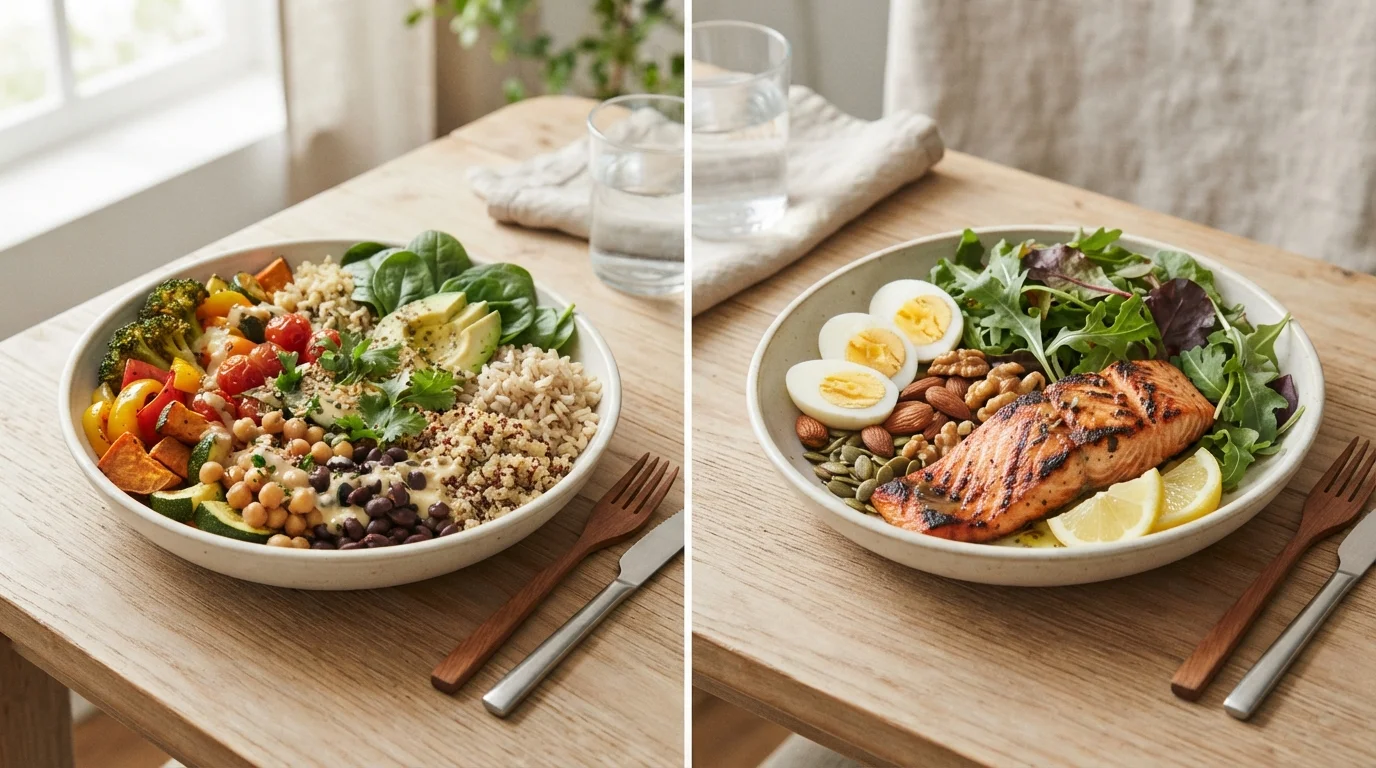
Option A
Plant-Forward Eating
The fiber-rich, phytonutrient-dense approach.
Best for: People looking to reduce liver fat, lower inflammation, and support long-term metabolic health through whole-food variety.
Option B
High-Protein Diets
The satiety-focused, muscle-preserving strategy.
Best for: People managing weight or metabolic syndrome who benefit from increased satiety and reduced carbohydrate load.
If you have elevated liver enzymes or early-stage fatty liver
Plant-Forward Eating
Plant-forward patterns reduce hepatic fat and inflammation more consistently in clinical research, and high fiber intake supports gut health pathways that affect the liver.
If you are managing obesity or metabolic syndrome alongside liver concerns
High-Protein Diets
Higher protein intake promotes satiety and supports weight loss, which can meaningfully reduce liver fat when overall calorie intake decreases. Prioritize plant or lean animal protein sources.
If you want a long-term, sustainable eating pattern for liver protection
Plant-Forward Eating
The Mediterranean and plant-forward patterns have the broadest body of evidence for sustained liver and metabolic health over time.
If you are physically active and need to preserve muscle while protecting liver function
High-Protein Diets
Adequate protein supports muscle maintenance during weight loss, and preserving lean mass helps maintain healthy metabolic rate relevant to liver fat regulation.
What the liver actually needs from your diet
The liver processes virtually everything you eat. It converts nutrients into usable forms, filters toxins, produces bile for fat digestion, and regulates blood glucose. When diet chronically overloads these processes, fat accumulates in liver cells, a condition called non-alcoholic fatty liver disease (NAFLD). NAFLD now affects roughly one in four adults globally, according to published epidemiological estimates.
Diet influences liver health through several pathways: calorie balance affects fat storage, fiber feeds gut bacteria that produce compounds signaling liver metabolism, antioxidants counter oxidative stress in liver cells, and protein composition affects how the liver synthesizes and breaks down molecules. Both plant-forward eating and high-protein diets act on these pathways, but in different ways and with different tradeoffs. For a broader foundation, see what the liver does and what threatens it.
Plant-forward eating and liver function
Plant-forward eating centers vegetables, fruits, legumes, whole grains, nuts, and seeds. It does not require eliminating animal foods, but animal products are reduced or chosen selectively. This pattern is high in dietary fiber, polyphenols, and antioxidants while being relatively low in saturated fat.
Soluble fiber from foods like oats, beans, and flaxseed feeds beneficial gut bacteria that produce short-chain fatty acids. These compounds travel via the portal vein directly to the liver and appear to reduce fat synthesis and inflammatory signaling there. Several cohort studies and clinical trials associate higher adherence to plant-forward patterns with lower rates of NAFLD and lower alanine aminotransferase (ALT) levels, an enzyme used clinically to gauge liver cell stress.
Polyphenols in berries, green tea, and extra-virgin olive oil have shown hepatoprotective effects in cell and animal studies, though human trial data are more limited. The Mediterranean diet, which is largely plant-forward with moderate lean protein, has the strongest overall evidence base for liver health. Dietary patterns most linked to liver health in research covers this in more depth.
| Criterion | Plant-Forward Eating | High-Protein Diets |
|---|---|---|
| Primary liver benefit | Reduces hepatic fat, lowers inflammation | Supports weight loss, indirectly reduces liver fat |
| Fiber intake | High; feeds beneficial gut bacteria | Often lower, depending on food choices |
| Saturated fat exposure | Low to moderate | Variable; high if red meat is primary source |
| Evidence for NAFLD reduction | Strong and consistent across studies | Moderate; protein source strongly modifies outcome |
| Sustainability long-term | High; broad food variety | Moderate; can feel restrictive over time |
| Risk with existing liver damage | Low risk; adjust based on clinician guidance | Higher caution needed; excess protein burdens liver |
| Gut microbiome impact | Positive; increases microbial diversity | Mixed; depends on fiber intake alongside protein |
High-protein diets and liver function
High-protein diets typically supply 25 to 35 percent of daily calories from protein, often by increasing meat, dairy, eggs, or protein supplements. The primary liver-relevant benefit is indirect: higher protein intake curbs appetite, which can reduce total calorie intake and support meaningful weight loss. Since NAFLD is closely tied to excess body fat, any diet pattern that reliably produces weight loss can reduce liver fat.
The protein source, however, changes the risk profile considerably. Research published in journals including Hepatology and Gut has found that high intake of red and processed meat correlates with higher NAFLD prevalence and more severe liver fibrosis, independent of overall calorie intake. Compounds produced during red meat digestion, including heme iron and trimethylamine N-oxide (TMAO), may promote oxidative stress and inflammation in liver tissue.
Plant-based proteins (legumes, tofu, tempeh) and fatty fish do not carry the same associations. High protein intake from these sources appears neutral to modestly beneficial for liver markers in available studies. Very high protein intake from any source does place additional metabolic demand on the liver for nitrogen processing, which is generally manageable for a healthy liver but warrants caution in people with existing liver impairment.
Where the two approaches differ most
Protein source changes the outcome significantly
Not all high-protein diets carry the same liver risk. Studies that link high protein intake to worse liver outcomes are largely driven by red and processed meat consumption. Plant proteins, poultry, fish, and eggs show a different pattern. If you follow a high-protein approach, the composition of that protein matters as much as the total amount. A registered dietitian can help you assess your current intake against liver-health evidence.
The clearest practical distinction is that plant-forward eating addresses multiple liver-relevant mechanisms simultaneously: it reduces saturated fat, increases fiber, delivers antioxidants, and supports a gut microbiome composition linked to lower hepatic fat. High-protein diets act mainly through one pathway, weight reduction, and the outcome depends heavily on what foods supply the protein.
For people whose liver concerns stem from overweight or metabolic syndrome, a high-protein pattern using legumes, fish, eggs, or low-fat dairy can combine the satiety benefits of protein with the protective properties of lower-risk protein sources. That combination essentially merges both approaches. For broader context on building liver-protective habits, the complete picture of liver health is worth reviewing alongside this comparison.
Neither approach alone is a treatment for liver disease. Anyone with diagnosed liver conditions, including NAFLD, hepatitis, or cirrhosis, should work with a physician or registered dietitian before making substantial dietary changes, as protein and carbohydrate needs shift depending on disease stage.
This article is for informational purposes only and is not medical advice. Consult a qualified healthcare professional before making changes to your diet, particularly if you have a diagnosed liver condition or other chronic health concerns.