

Key Takeaways
Why dietary patterns matter more than individual foods
Liver health research rarely points to one miracle food. Instead, the evidence consistently favors overall dietary patterns, meaning the combination of foods eaten regularly over time. The liver processes nearly everything absorbed from the digestive tract, so the cumulative load of nutrients, fats, sugars, and metabolic byproducts shapes how well it functions.
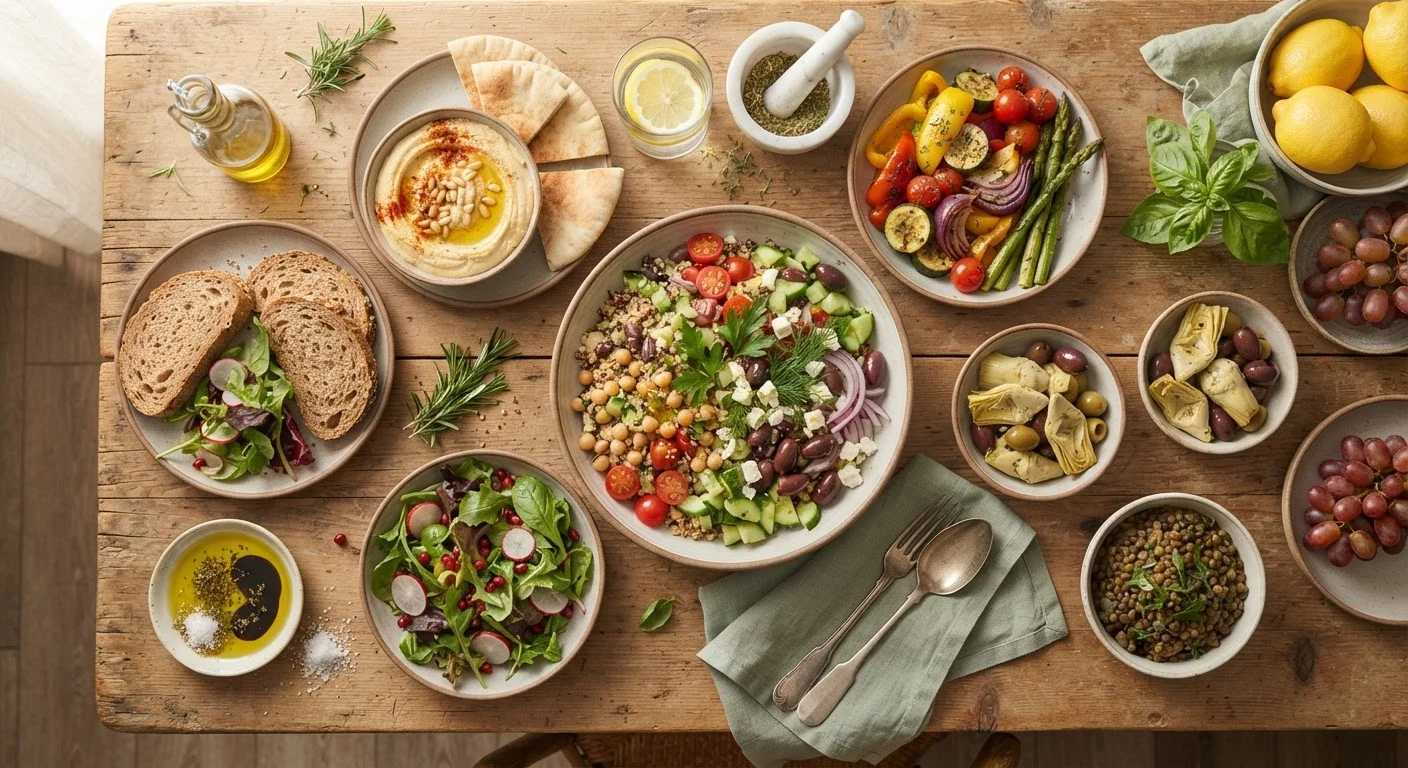
Two patterns appear most frequently in peer-reviewed research on liver health: Mediterranean-style eating and plant-forward diets. Both share core features: high vegetable and fruit intake, whole grains, legumes, healthy fats (particularly olive oil), moderate protein, and low amounts of ultra-processed foods and added sugars. For a detailed comparison of plant-forward and high-protein approaches, see plant-forward eating versus high-protein diets for liver health.
Diet does not operate in isolation. The lymphatic system and gut microbiome interact directly with liver function, and both respond to what you eat. This interconnection is why whole-pattern changes tend to produce more measurable results than swapping a single food.
Practices that research links to better liver function
The following practices draw from clinical research on conditions such as metabolic-associated steatotic liver disease (formerly called non-alcoholic fatty liver disease) and general hepatic health. They are general dietary principles, not personal prescriptions. Speak with a clinician before making significant changes, particularly if you have an existing liver condition.
Build most meals around non-starchy vegetables, legumes, and whole grains
These foods supply dietary fiber that feeds beneficial gut bacteria and supports bile acid cycling, both tied to liver fat regulation. They also lower the glycemic load of meals, reducing the insulin spikes that drive hepatic fat synthesis.
Use olive oil as your primary cooking and dressing fat
Extra-virgin olive oil contains oleocanthal and other polyphenols with anti-inflammatory properties. Studies in people with metabolic-associated steatotic liver disease have linked olive oil consumption to reductions in liver enzymes and hepatic fat content.
Eat fatty fish or plant-based omega-3 sources at least twice a week
Omega-3 fatty acids, particularly EPA and DHA from marine sources, have been studied for their ability to reduce liver fat and inflammation markers. Walnuts and flaxseed provide the plant-based precursor ALA, though conversion to EPA and DHA in the body is limited.
Replace sugar-sweetened beverages with water, unsweetened tea, or black coffee
Fructose from sugary drinks is processed almost exclusively by the liver, where excess amounts are converted to fat. Coffee in particular has been associated in observational research with lower rates of liver fibrosis and cirrhosis, though causation is not fully established.
Limit ultra-processed foods to occasional rather than daily consumption
Ultra-processed foods tend to combine refined carbohydrates, added sugars, and saturated fats. Regular high intake is associated with higher body weight and metabolic dysfunction, both risk factors for liver fat accumulation.
What to reduce, not just what to add
Liver-supportive eating is as much about what to limit as what to include. Added sugars, particularly fructose from sugar-sweetened beverages, have a direct metabolic pathway to fat synthesis in the liver. Refined carbohydrates raise postprandial (after-meal) blood glucose and insulin, both of which drive hepatic fat accumulation over time.
Ultra-processed foods often combine refined starches, added sugars, and saturated fats in ways that place compounded metabolic stress on the liver. Alcohol, even at moderate levels, adds to the liver's detoxification burden. The cumulative effect of these inputs, day after day, is more significant than any single exposure.
For a broader look at how anti-inflammatory eating works across metabolic systems, anti-inflammatory eating for blood sugar management covers the practical overlap. Common misconceptions about fatty liver and diet are addressed in fatty liver disease: separating myths from the medical evidence.
Putting these patterns into a consistent routine
Research on dietary behavior consistently shows that consistency matters more than perfection. A Mediterranean-style plate at most meals, over months, produces measurable changes in liver enzymes and hepatic fat in clinical studies. Occasional departures matter less than the baseline pattern.
Hydration also supports liver function in specific ways. Water is a substrate for bile production and helps maintain blood volume for filtration. what water actually does for the liver explains the mechanisms in detail.
To translate these principles into weekly practice, building a weekly routine that works with your liver offers a structured approach to meals, movement, and sleep. You can also use the liver-friendly living self-audit to assess where your current habits align with the evidence and where gaps remain.
If you want to understand which everyday habits place the most pressure on the liver before making changes, everyday habits that quietly strain the liver covers the most common contributors.
This article is for informational purposes only and is not medical advice. Consult a qualified healthcare professional for guidance specific to your health situation.