

Key Takeaways
Why lymphatic myths spread so easily
The lymphatic system is poorly understood by most people, which makes it fertile ground for wellness marketing. Unlike the heart or lungs, the lymphatic system has no obvious moment of action you can feel. That invisibility invites speculation.
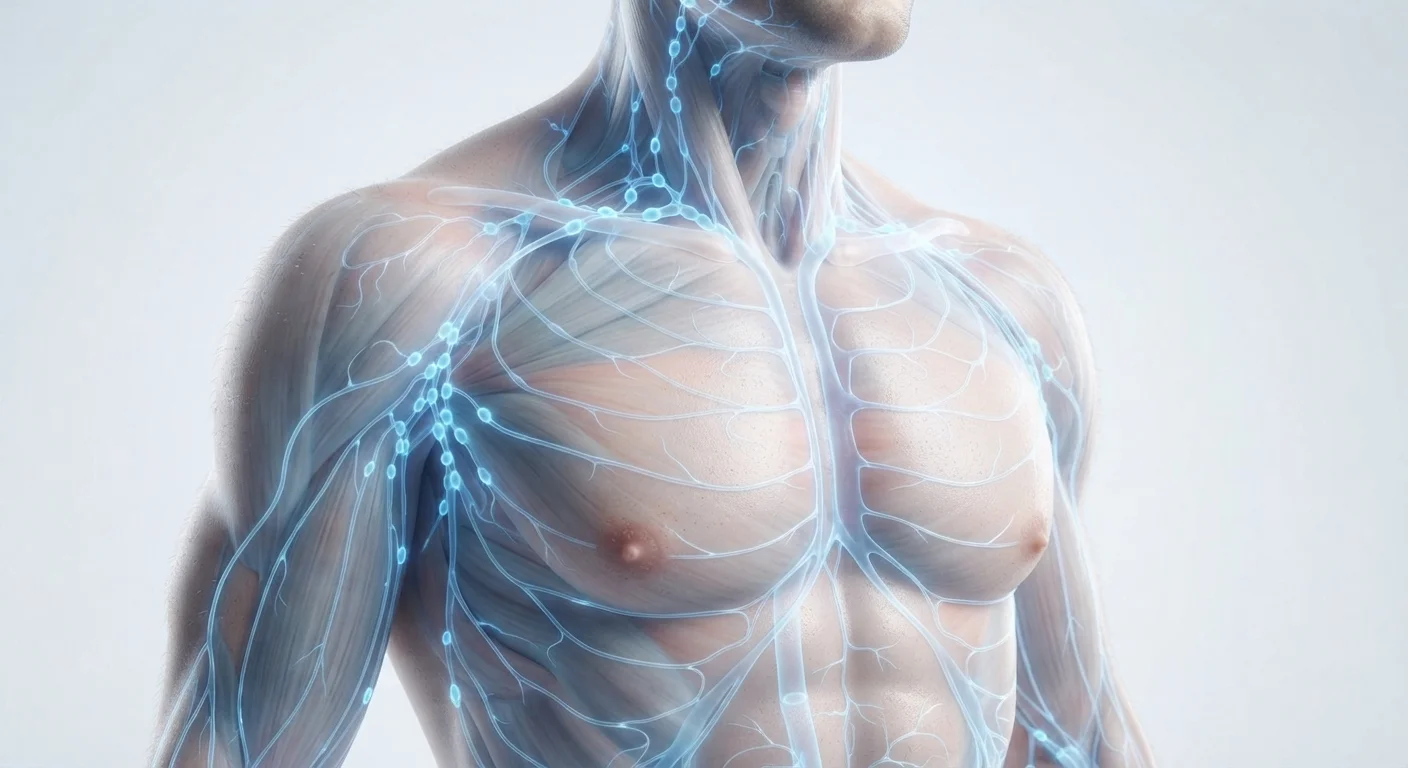
Broadly, the lymphatic system is a network of vessels, nodes, and organs that collects excess fluid from tissues, filters it through lymph nodes, and returns it to the bloodstream. It also transports immune cells and absorbs dietary fats from the gut. For a fuller picture of how the system works, see how the lymphatic system clears cellular waste.
The myths below persist because they contain a grain of truth, then stretch it far past what the evidence supports.
Myth
Detox teas, juices, and supplements 'flush toxins' through the lymphatic system.
Fact
No commercial product has been shown to accelerate lymphatic clearance. The liver and kidneys handle metabolic waste removal, and the lymphatic system does not require external flushing.
The word 'toxin' in wellness marketing almost never refers to a specific, measurable compound. When researchers ask which toxins a product removes, the answer is typically vague. The liver processes fat-soluble waste into water-soluble forms, the kidneys excrete them, and the lymphatic system transports immune cells and recycles interstitial fluid. None of these processes are meaningfully accelerated by herbal teas or juice cleanses. The idea that the lymphatic system accumulates 'sludge' that products can dissolve is not supported by physiology. If you are concerned about liver function specifically, liver health covers how that organ actually filters metabolic byproducts.
Myth
Swollen lymph nodes mean your lymphatic system is 'clogged' and needs a detox.
Fact
Swollen lymph nodes indicate that immune cells are responding to infection, injury, or, in some cases, a more serious condition. They are not a sign of clogging and should be evaluated by a clinician.
Lymph nodes swell because they are doing their job: filtering lymph fluid and housing the B cells, T cells, and macrophages that mount immune responses. A node that enlarges during a cold is clearing pathogens, not backing up like a drain. Persistent or unexplained swelling, nodes that are hard or fixed, or swelling accompanied by fever or night sweats all warrant prompt medical evaluation. Treating swollen nodes with detox protocols can delay diagnosis of conditions that benefit from early treatment.
Myth
Dry brushing detoxifies the skin and dramatically improves lymphatic drainage.
Fact
Dry brushing may improve skin texture and circulation at the surface level, but there is no strong clinical evidence that it meaningfully moves lymph through deeper vessels.
Lymphatic capillaries sit just below the skin's surface, and gentle pressure in the direction of lymph flow is the basis of manual lymphatic drainage, a legitimate therapy used by trained therapists for conditions like lymphedema. Dry brushing borrows from this concept but is applied without clinical precision. Any benefit for lymph movement is likely modest. Dry brushing is not harmful for most people when done gently, but framing it as a detox method overstates the evidence. People with broken skin, rashes, or conditions affecting skin integrity should avoid it and consult a professional.
Myth
The lymphatic system works like the cardiovascular system and just needs a pump.
Fact
Unlike blood, lymph has no dedicated pump. It moves through a combination of skeletal muscle contractions, breathing mechanics, smooth muscle in vessel walls, and gravity.
This distinction matters because it explains why movement is genuinely useful and why 'lymphatic pump' supplements are not. The cardiovascular system has the heart to drive blood pressure. Lymph relies on external forces. When muscles contract during exercise, they squeeze lymphatic vessels and advance fluid through one-way valves toward the thoracic duct. Deep breathing creates negative pressure in the chest that also draws lymph upward. This is why prolonged sitting slows lymph flow in the lower limbs and why the lymphatic system's role in physical recovery is closely tied to movement patterns after exertion.
Myth
Detox cleanses 'reset' the gut and lymphatic system together.
Fact
The gut and lymphatic system are related but distinct. Short-term juice cleanses do not reset either system, and the premise of a 'reset' has no agreed clinical definition.
The gut does have its own lymphatic tissue, called gut-associated lymphoid tissue (GALT), which houses a large portion of the body's immune cells and communicates with the broader lymphatic network. However, the microbiome and lymphatic tissue in the gut are shaped by long-term dietary patterns, not brief interventions. The idea of a 'reset' implies a return to a factory default state that does not exist biologically. Popular digestive health beliefs that science does not fully support examines similar misconceptions about cleansing and the gut in more detail. See also common myths about gut health for related corrections.
Lifestyle habits that actually support lymph flow
None of the myths examined above mean the lymphatic system needs no attention. Sedentary behavior, chronic dehydration, and poor sleep can all slow lymph circulation in measurable ways. The difference is that evidence-supported strategies are simple and free, not sold in a bottle.
Physical movement is the most reliable driver of lymph flow. Skeletal muscle contractions compress lymphatic vessels, pushing fluid forward through one-way valves. Walking, swimming, and resistance training all produce this effect. Diaphragmatic breathing during exercise creates additional pressure changes that pull lymph through the thoracic duct, the largest lymphatic vessel in the body.
Hydration matters because lymph is mostly water. Mild chronic dehydration thickens interstitial fluid, making it harder for lymphatic capillaries to absorb. There is no universally correct daily fluid volume; individual needs vary with body size, activity level, and climate. A healthcare provider can give personalized guidance.
Sleep is when the glymphatic system, the brain's analogous fluid-clearance system, is most active. While technically distinct from the peripheral lymphatic system, it follows similar principles and appears most efficient during deep sleep stages.
For practical, day-to-day strategies, daily habits that support healthy lymph drainage covers hydration timing, posture, and movement choices in more depth. The Mobility and Recovery hub also covers movement strategies relevant to lymphatic circulation.
This article is for informational purposes only and is not medical advice. Consult a qualified healthcare professional for any personal health concerns, symptoms, or before making changes to your health routine.