
A Practical Checklist for Tracking the Lifestyle Factors That Affect Blood Glucose

Key Takeaways
Summary
22 items · 20 to 35 minutes
Why a multi-variable audit matters
Blood glucose does not rise and fall based on food alone. Sleep debt, psychological stress, sedentary time, and even hydration status each shift how efficiently your cells use glucose. If you track only what you eat, you lose most of the picture.
This checklist pulls together the lifestyle domains that research consistently links to blood sugar variability. Working through it once a week gives you a structured way to notice which variables changed on days when your energy crashed, your focus dropped, or your next fasting reading came back higher than expected.
For a deeper look at the physiology behind these fluctuations, see how your body regulates blood sugar between meals. And if you want the broader metabolic context that connects glucose to insulin sensitivity, inflammation, and cardiovascular risk, this full-picture guide on metabolic health is a useful companion read.
This article is for general informational purposes only and is not medical advice. Always consult a qualified healthcare professional before making changes to your diet, activity, or health monitoring routine.
This checklist does not replace clinical monitoring
If you have been diagnosed with diabetes, prediabetes, or any condition affecting glucose metabolism, your clinician has likely prescribed specific monitoring protocols. Use this checklist as a supplementary self-audit, not as a replacement for prescribed testing or treatment. Do not adjust medications, insulin doses, or prescribed dietary plans based on checklist results alone. Contact your healthcare provider with any concerns about your readings or symptoms.
What you will need before you start
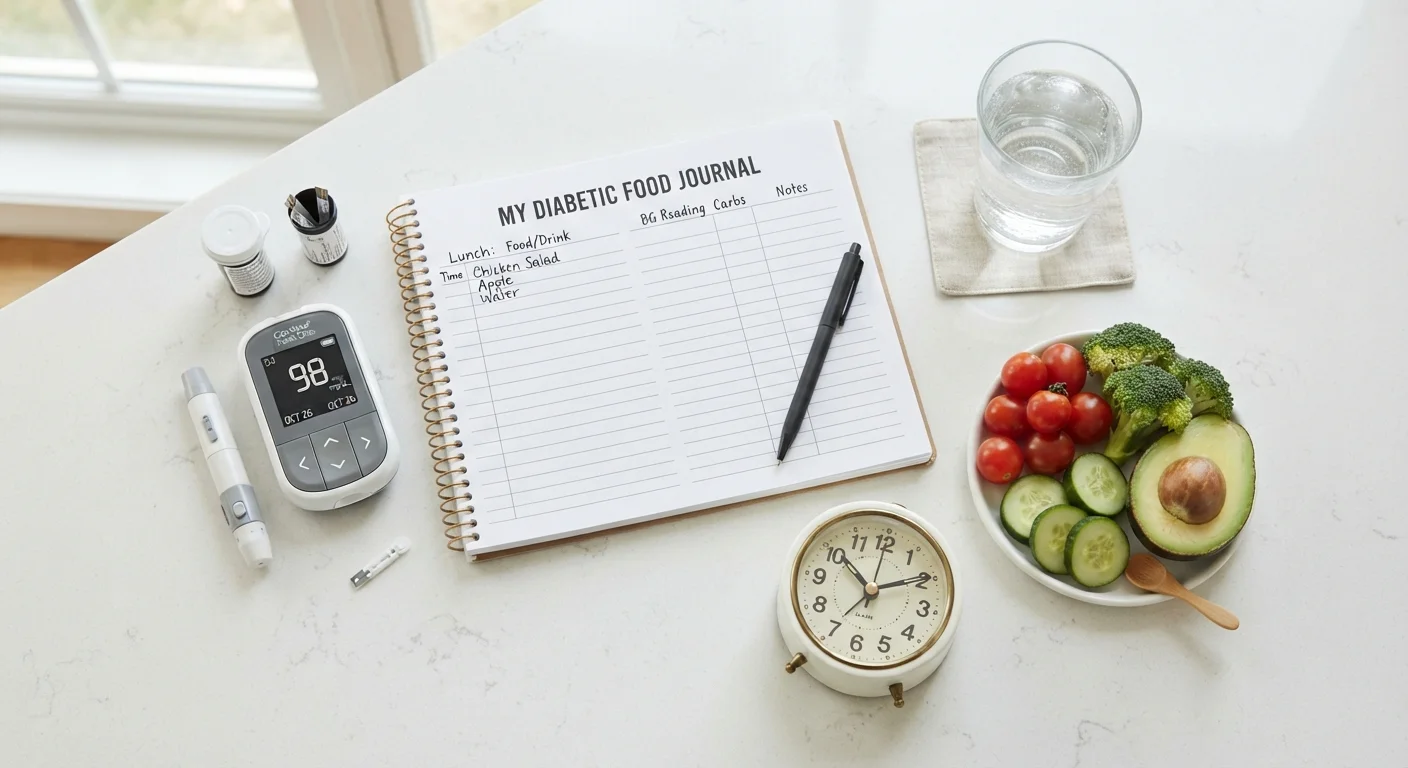
No specialized equipment is required to complete this audit. A written or digital log works equally well. If your clinician has already recommended a blood glucose monitor or continuous glucose monitor (CGM), you can use readings from those devices to add precision to several of the food and activity items below.
Daily health log (paper or digital)
Records food, activity, sleep, stress, and hydration in one place so patterns across variables become visible.
Pedometer or step-tracking app
Quantifies non-exercise movement, which is useful for the physical activity section of the audit.
Blood glucose meter
Provides objective glucose readings if your clinician has already recommended home monitoring.
Sleep tracking app or wearable
Captures total sleep duration and overnight disruptions without relying on recall.
Perceived stress scale (printable)
Standardizes daily stress ratings so week-to-week comparisons are consistent.
The checklist
Work through each group systematically. Mark each item as consistently in place, inconsistent, or not yet started. Anything marked inconsistent or not yet started is a candidate for discussion with your healthcare team.
Dietary pattern
Physical activity
Sleep
Stress and psychological load
Hydration and alcohol
Weekly review
For comparison, the gut health self-audit checklist uses a similar format and shares several overlapping lifestyle variables, particularly around sleep and stress, because gut microbiome balance and glucose metabolism are closely connected.
Recovery and movement habits also intersect with blood sugar regulation. The mobility and recovery hub outlines movement strategies that fit a range of fitness levels and physical limitations.