
Blood Sugar Regulation: What Your Body Is Actually Doing Between Meals

Key Takeaways
Blood sugar regulation
Blood sugar regulation is the process by which your body keeps glucose levels in your bloodstream within a stable range at all times, not just after meals. The pancreas, liver, and various hormones work together to raise or lower glucose as needed. When this system functions well, your brain, muscles, and organs receive a steady energy supply without harmful extremes.
The primary hormones involved are insulin, which lowers blood glucose by facilitating cellular uptake, and glucagon, which raises it by signaling the liver to release stored glucose (a process called glycogenolysis).
The continuous job your body does without you noticing
Between every meal and throughout the night, your body maintains blood glucose within a range of roughly 70 to 99 mg/dL. This happens through constant, automatic communication between the pancreas, liver, and peripheral tissues. Most people think blood sugar management is something that only matters after eating, but the fasting state demands just as much regulation.
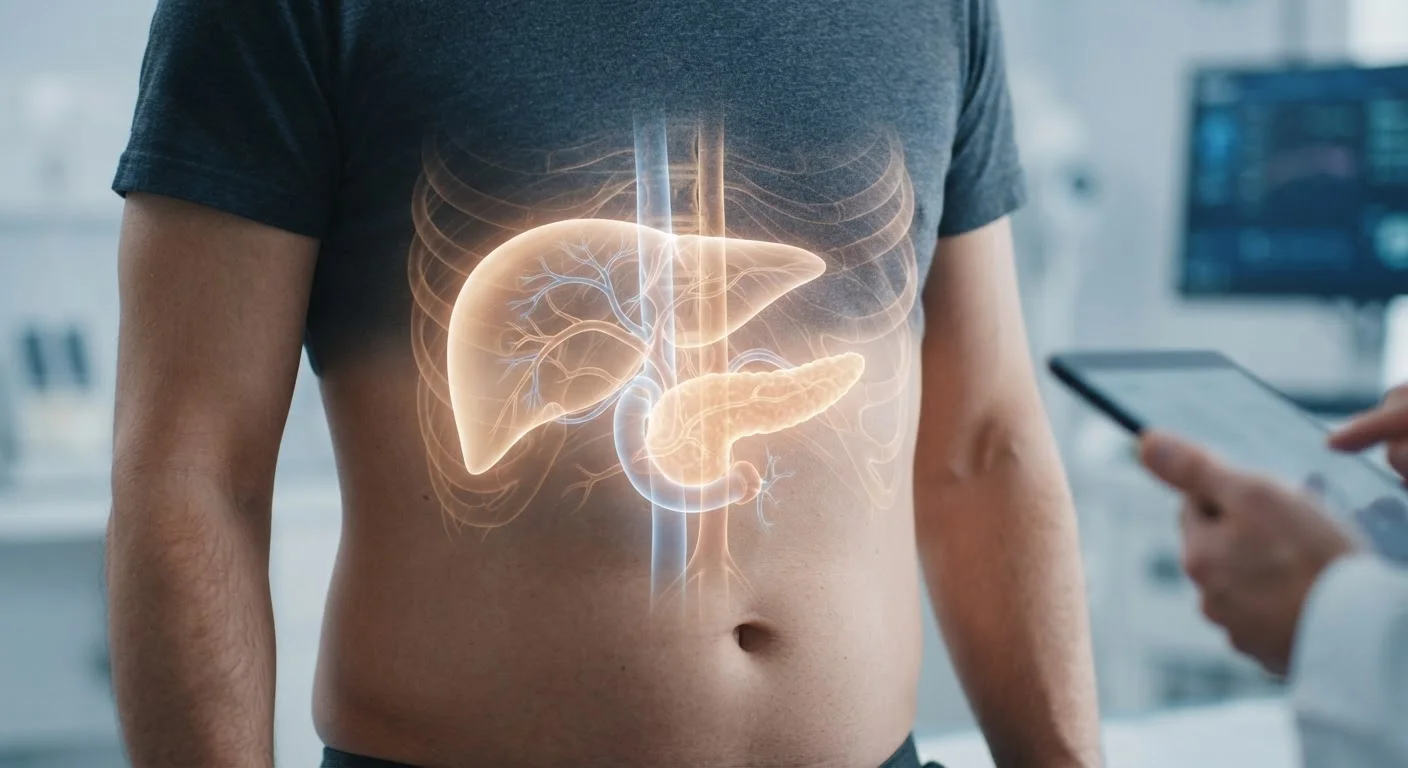
When glucose rises after a meal, beta cells in the pancreas secrete insulin. Insulin signals muscle, fat, and liver cells to take glucose out of the bloodstream and either use it for energy or store it. When blood glucose falls during a fast, alpha cells in the pancreas secrete glucagon instead. Glucagon tells the liver to break down its stored glycogen and release glucose back into circulation. These two hormones act as a seesaw, each suppressing the other's release.
The precision of this system is worth noting. Without it, a missed meal or an intense workout could cause blood glucose to drop to dangerous levels, while a large meal could send it climbing to concentrations that damage blood vessels. The body prevents both extremes continuously, adjusting every few minutes based on circulating glucose concentrations.
The liver's role as a glucose buffer
The liver is the body's main glucose reservoir. After a carbohydrate-containing meal, excess glucose is converted into glycogen and stored in liver cells. The liver can hold roughly 75 to 100 grams of glycogen at a time. During a fast, this reserve is steadily drawn down to maintain blood glucose levels.
Once glycogen stores fall low (typically after 12 to 18 hours of fasting), the liver switches to gluconeogenesis: producing new glucose from amino acids, glycerol, and lactate. This capacity is why people who fast overnight still wake up with blood glucose in the normal range. The liver is not passively storing and releasing; it actively calculates what the bloodstream needs. Liver health directly affects how well this buffering function works, since fatty liver and inflammation can impair glucose metabolism.
70-99 mg/dL
Normal fasting blood glucose range
According to the American Diabetes Association's Standards of Medical Care in Diabetes, this is the reference range used in U.S. clinical settings for adults without diabetes.
38 million
U.S. adults with diagnosed or undiagnosed diabetes
The CDC's National Diabetes Statistics Report estimates approximately 38 million Americans have diabetes, with roughly 1 in 5 unaware of their diagnosis.
98 million
U.S. adults with prediabetes
The CDC estimates that more than 1 in 3 American adults have prediabetes, and the majority do not know it, based on national survey data.
Insulin resistance, which is when cells respond poorly to insulin's signal, forces the pancreas to produce more insulin to achieve the same effect. Over time, this extra demand can strain the beta cells and contribute to rising fasting glucose levels, even in people who have not yet been diagnosed with any glucose disorder.
Hormones beyond insulin and glucagon
Insulin and glucagon get most of the attention, but several other hormones influence blood glucose in meaningful ways.
- Cortisol, released in response to stress or as part of the morning wake cycle, raises blood glucose by promoting gluconeogenesis and reducing insulin sensitivity.
- Adrenaline (epinephrine) causes a rapid glucose release from the liver during acute stress or intense exercise.
- Growth hormone, which peaks during deep sleep, opposes insulin action and can raise fasting glucose overnight.
- GLP-1 and GIP, known as incretin hormones, are released from the gut after eating and amplify insulin secretion in a glucose-dependent way.
This broader hormonal picture explains why factors outside diet affect glucose readings. Poor sleep and chronic stress can disrupt glucose regulation even when food choices are consistent. Hormonal balance across the body shapes metabolic function in ways that extend well beyond the pancreas.
What disrupts this system over time
Blood sugar regulation can weaken gradually, often without obvious symptoms in the early stages. The most common pathway is progressive insulin resistance: cells in muscle and liver become less responsive to insulin's signal, typically driven by excess body fat (particularly visceral fat), physical inactivity, and chronic sleep disruption.
As insulin resistance deepens, the pancreas compensates by secreting more insulin. Fasting and postprandial glucose levels remain close to normal for years because the pancreas keeps pace. Eventually, beta cell function can decline, compensation falls short, and glucose levels begin climbing into the prediabetes range. At that stage, blood glucose numbers often reveal what symptoms have not yet shown.
Postprandial glucose spikes are a sensitive early indicator of declining regulation. Even with normal fasting glucose, large or prolonged spikes after meals can reflect reduced insulin efficiency. Metabolic health extends beyond a single glucose number, and understanding the regulation process helps put each measurement in context.
Consistent daily habits centered on movement, sleep, and food composition support the regulation system before it shows signs of strain. Physical movement supports glucose uptake through pathways that operate independently of insulin, which is one reason even short bouts of activity after meals affect glucose readings.
This article is for general informational purposes only and does not constitute medical advice. Anyone with concerns about their blood glucose or metabolic health should consult a qualified healthcare professional.