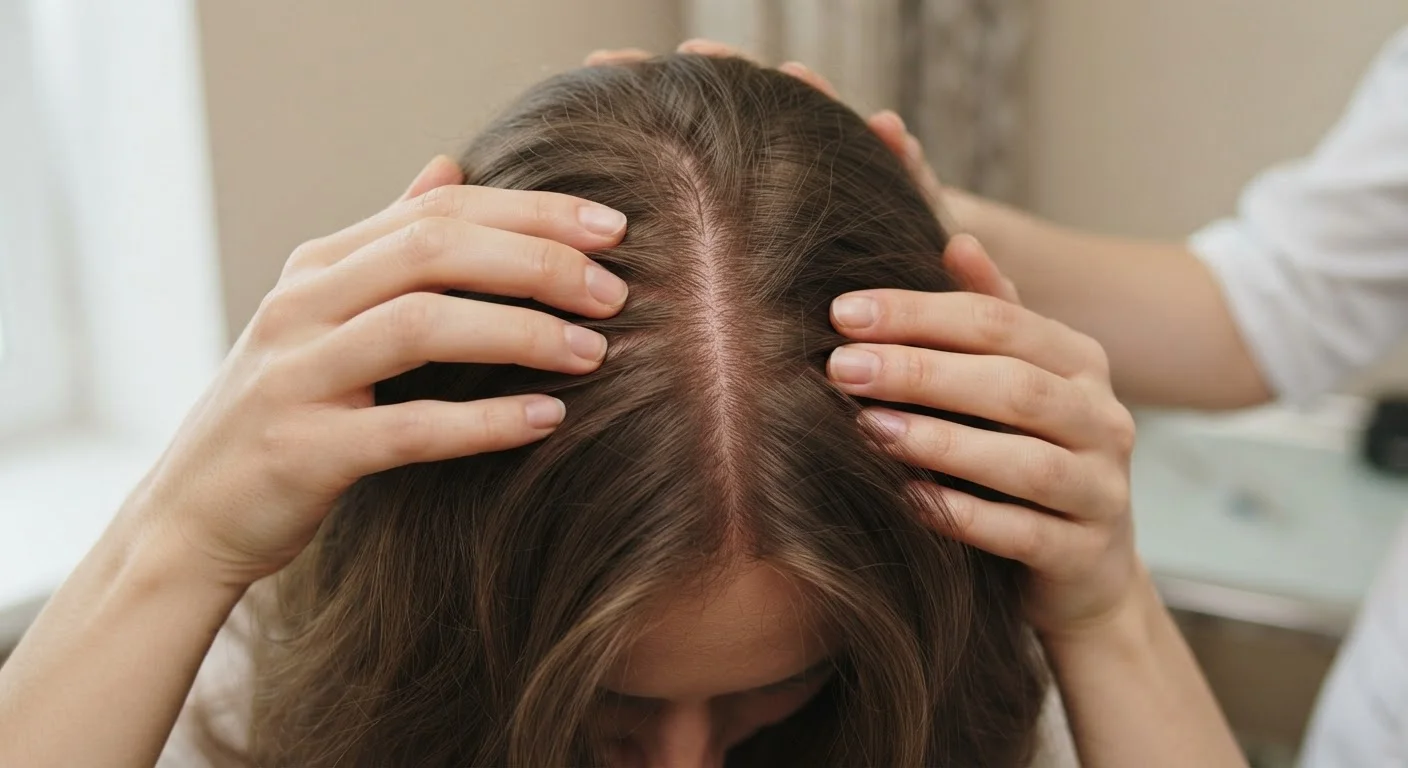
Hair thinning has multiple possible causes, and identifying the most likely one improves the chance of an effective response.
Hormonal shifts, nutritional gaps, scalp conditions, and chronic stress each affect follicle function through distinct mechanisms.
Many regrowth approaches work best when underlying contributors are addressed at the same time.
A clinician can order blood tests to confirm deficiencies or hormonal patterns that self-assessment cannot definitively identify.
This checklist is a starting point for reflection, not a substitute for professional evaluation.
20–40 min
Summary
28 items · 20 to 40 minutes
Why a self-assessment matters before you begin
Hair thinning rarely has a single cause. Androgenetic alopecia, telogen effluvium, scalp inflammation, nutritional deficiency, and hormonal imbalance can all present as increased shedding or reduced density, yet each responds to different interventions. Starting a regrowth strategy without first mapping your personal picture means you may address one factor while others continue to work against you.
This checklist is designed to help you organize what you already know about your health and identify gaps worth investigating further. It does not replace clinical evaluation. Where items raise genuine concern, the appropriate step is a conversation with a qualified healthcare professional who can order relevant tests and interpret results in the context of your full medical history.
For a deeper look at how the scalp environment itself affects follicle function, see scalp health and hair growth. If hormonal signals are a concern, the hormonal health self-assessment covers symptoms and lifestyle factors worth raising with a doctor.
Shedding pattern and timeline
Note when you first observed increased shedding or reduced density, and whether onset was gradual or sudden.Must
Identify whether shedding is diffuse (all over) or concentrated in specific zones such as the crown, temples, or hairline.Must
Check whether shedding increased after a physical or emotional stressor 6 to 16 weeks prior, which can indicate telogen effluvium.Must
Record whether any family members on either side have a similar pattern, which may suggest androgenetic (hereditary) alopecia.Should
Nutritional status
Confirm whether you have had a blood test for ferritin (stored iron) in the past 12 months, as low ferritin is one of the more common and reversible contributors to diffuse shedding.Must
Check your vitamin D level if not tested recently, given its role in follicle cycling.Must
Assess whether your diet consistently includes complete protein sources, since hair is primarily keratin and requires adequate amino acid availability.Must
Note whether you follow a restrictive diet (low-calorie, elimination, or highly processed) that may limit zinc, biotin, or essential fatty acid intake.Should
Review any supplements you currently take to avoid unintentional excess, particularly selenium and vitamin A, which in high doses can worsen shedding.Should
Hormonal and systemic health
Note whether shedding coincided with a hormonal event such as pregnancy, postpartum recovery, menopause, or stopping or starting hormonal contraception.Must
Consider whether thyroid symptoms such as fatigue, weight changes, or temperature sensitivity accompany hair loss, and ask a clinician about thyroid testing if so.Must
Identify any recent changes to prescribed medications, since numerous drug classes list hair loss as a documented side effect.Must
For women, assess whether other signs of androgen excess are present, such as acne along the jawline or irregular cycles, which may point to conditions like polycystic ovary syndrome.Should
Scalp condition
Examine the scalp for visible flaking, persistent redness, itching, or greasy buildup, which can indicate seborrheic dermatitis or fungal overgrowth affecting follicles.Must
Check whether follicle openings appear clear or obstructed, as chronic inflammation or product buildup can impair the environment follicles need.Should
Note whether you use heat tools, chemical treatments, or tight hairstyles regularly, all of which can contribute to traction or damage-related loss.Should
Review whether your current shampoo or scalp products are appropriate for your sebum level (oily vs. dry scalp), since mismatched products can aggravate rather than support follicle health.Nice to have
Stress and sleep
Assess your average sleep duration and quality over the past three months, as disrupted sleep affects cortisol regulation and the hormonal signals that govern follicle cycling.Must
Identify whether chronic psychological stress has been present, since elevated cortisol can push follicles prematurely into the resting (telogen) phase.Must
Consider whether any lifestyle changes over the past year (new job, relationship change, illness, major surgery) align with the onset of shedding.Should
Readiness for a regrowth approach
Confirm that you have a realistic expectation of timeline: clinically studied regrowth approaches typically require consistent use for at least three to six months before results are visible.Must
Identify whether any unresolved medical or nutritional issues from this checklist should be addressed with a clinician before adding a topical or supplemental regrowth strategy.Must
Document your current hair care routine so you have a baseline against which to measure change objectively.Should
Take dated photographs of the affected areas in consistent lighting before starting any new approach, making future comparison reliable.Should
Plan a follow-up with a dermatologist or trichologist if self-assessment reveals multiple unresolved factors or if shedding has been rapid, patchy, or accompanied by scalp symptoms.Must
What to do with your answers
Work through each group and note which items you cannot answer confidently. Those gaps are worth investigating before committing to any regrowth protocol. Items in the scalp condition group that feel unfamiliar may be addressed by reviewing the scalp and skin hub, which connects scalp biology to broader skin health.
Rapid or patchy hair loss warrants prompt evaluation
If hair loss has been sudden, is occurring in distinct patches, or is accompanied by scalp pain, visible scarring, or systemic symptoms, do not rely on self-assessment alone. Conditions such as alopecia areata or scarring alopecia require clinical diagnosis and professional management. Delay in treating certain forms of hair loss can reduce the likelihood of follicle recovery.
Once you have worked through the checklist, consider which category produced the most unresolved items. If it was the nutritional or hormonal group, a blood panel is the logical next step. If it was the stress or sleep group, behavioral factors may be driving a telogen effluvium pattern, where a physiological shock pushes follicles into a resting phase and sheds them weeks later. If scalp condition dominated, a dermatologist or trichologist can assess whether inflammation, fungal activity, or sebum dysregulation is present.
A self-assessment like this one follows a similar logic to the pre-nootropic self-assessment: the goal is to make an informed decision rather than a speculative one. The liver also plays a role in metabolizing hormones that influence hair follicle cycles; the liver health hub explains how metabolic function connects to systemic wellness.
This article is for informational purposes only and is not medical advice. Consult a qualified healthcare professional before making any changes to your health routine, particularly if you have an existing medical condition or are taking medication.
Skin, Hair & Fungal Editorial Team is the collective byline for our editorial team and contributor network. Articles published under this byline or an editorial pen name are researched, written, and reviewed according to our editorial standards for clarity, consistency, and independence before publication.
Disclaimer: The content on this site is for informational purposes only and is not a substitute for professional advice. Always consult a qualified professional for guidance specific to your situation.