

Key Takeaways
Scalp health and hair growth
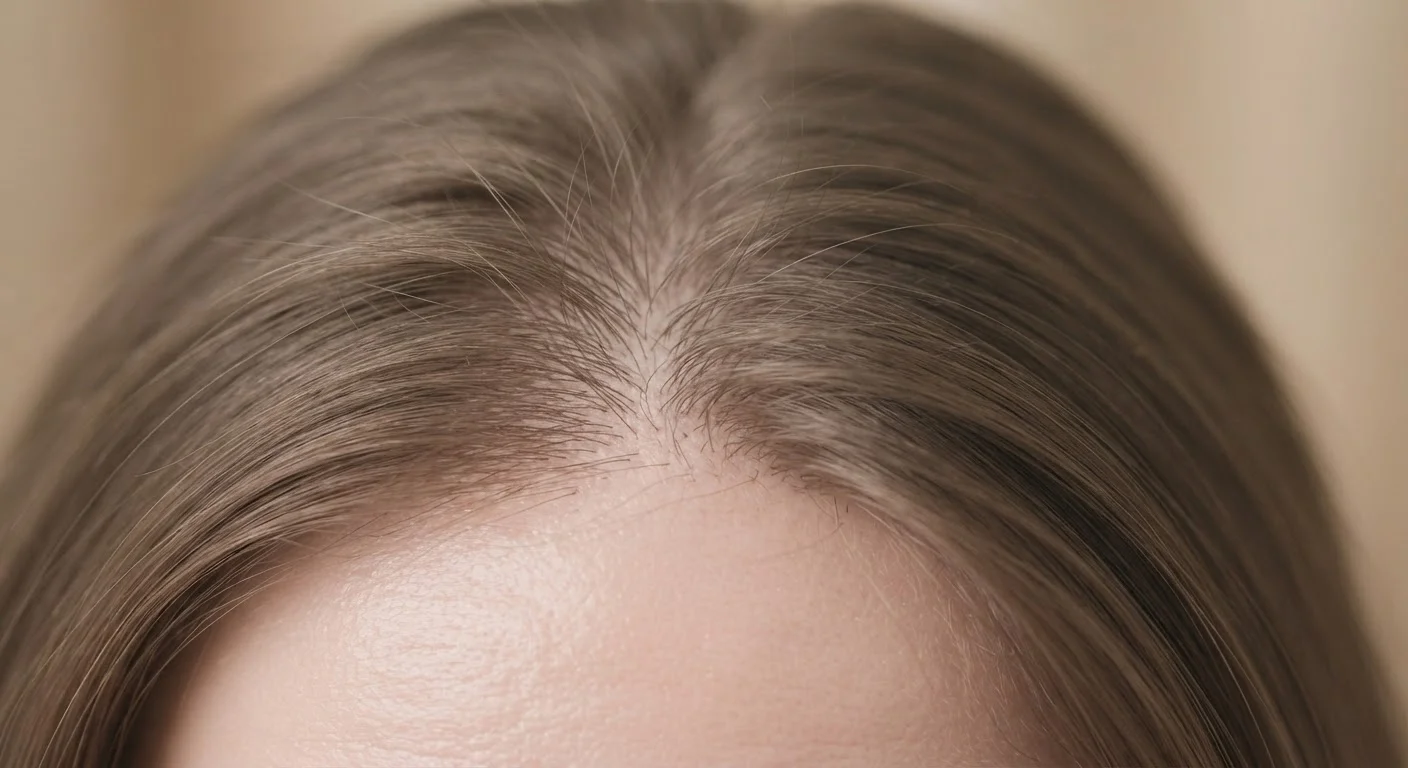
Scalp health refers to the condition of the skin, sebaceous glands, blood vessels, and microbial community that together create the environment where hair follicles live and function. When that environment is balanced, follicles can cycle through growth phases efficiently. When it is disrupted by inflammation, poor circulation, or microbial imbalance, hair thinning often follows.
Each follicle is anchored in the dermis layer of the scalp and depends on an adjacent dermal papilla to receive nutrients and oxygen. Chronic low-grade scalp inflammation can miniaturize the dermal papilla over time, shortening the anagen (active growth) phase.
What the scalp actually does for your hair
Hair growth is not just a function of the hair strand itself. Every strand originates inside a follicle embedded in the scalp's dermal layer, and the follicle's performance depends entirely on the tissue surrounding it. The scalp provides structural support, vascular supply, hormonal signaling, and immune regulation, all within a few millimeters of skin.
Most people focus on the visible part of the hair: its texture, shine, or breakage. But the shaft that emerges from the scalp is already dead tissue. The living activity happens below the surface, where dermal papilla cells regulate the growth cycle and sebaceous glands produce the sebum that maintains the local environment. For a deeper look at that anatomy, see Scalp Biology 101, which covers how follicles cycle through anagen, catagen, and telogen phases.
When the scalp environment is stable, follicles spend the majority of their time in anagen, the active growth phase. Disruptions to that stability, whether from inflammation, nutritional gaps, or microbial imbalance, can shorten anagen and push more follicles into the resting phase simultaneously. The result is increased shedding and reduced hair density over time.
How inflammation disrupts the follicle cycle
Low-grade scalp inflammation is present in several conditions that correlate with hair thinning, including seborrheic dermatitis, psoriasis, and androgenetic alopecia. The inflammatory process itself can damage the follicle's immediate environment by elevating cytokines, which are signaling proteins that, at chronically elevated levels, interfere with normal cell cycling in the hair matrix.
In androgenetic alopecia, the most common form of pattern hair loss, inflammation around the follicle bulge region is thought to contribute to gradual follicle miniaturization alongside the effects of dihydrotestosterone (DHT). The role DHT plays in follicle miniaturization and how it interacts with inflammatory pathways is covered in detail separately.
Scalp inflammation is not always visible or painful. Persistent low-level redness or sensitivity can indicate an active inflammatory process even when there is no overt skin condition. Scalp inflammation can also reflect systemic issues, including immune dysfunction and hormonal shifts, which is why it warrants attention beyond topical treatment alone.
Distinguishing itch from inflammation
Occasional scalp itch from product buildup or dryness is common and distinct from the persistent tenderness or burning associated with inflammatory scalp conditions. If you notice ongoing sensitivity, redness, or patchy thinning, a dermatologist can evaluate whether an inflammatory process is active. Self-treating without a diagnosis can delay appropriate care and in some cases worsen the underlying condition.
Sebum balance and the follicle microenvironment
Sebaceous glands attached to each follicle produce sebum, a lipid-rich secretion that serves multiple functions. It maintains the scalp's slightly acidic pH (roughly 4.5 to 5.5), which acts as a chemical barrier against pathogenic bacteria and certain fungi. It also lubricates the follicle channel, helping the growing hair shaft move through without mechanical resistance.
Both excess and insufficient sebum create problems. Overproduction, often driven by androgenic hormones, can lead to follicle occlusion and an overgrowth of Malassezia fungi, which are associated with dandruff and seborrheic dermatitis. Underproduction, more common with age or harsh cleansing habits, strips the scalp barrier and increases susceptibility to irritation and dryness. Either condition can generate an inflammatory response that impairs follicle cycling.
The scalp microbiome interacts directly with sebum. Malassezia species metabolize sebum lipids, and their byproducts influence local inflammation. The scalp microbiome and its relationship to follicle health is an area of growing research interest. Visible signs of imbalance, such as persistent flaking or oiliness, may reflect deeper internal changes; what those scalp signs can signal about internal health is worth understanding before reaching for any topical product.
85%
Men with some hair loss by age 50
The American Hair Loss Association estimates that approximately 85% of men will experience measurable hair thinning by age 50, with androgenetic alopecia being the most common cause.
50%
Women affected by hair loss in their lifetime
Research cited in dermatology literature indicates that roughly half of all women experience noticeable hair thinning at some point, with hormonal changes, nutritional factors, and scalp health all contributing.
2-6 years
Normal anagen (active growth) phase duration
The anagen phase, during which the hair shaft actively grows, typically lasts two to six years per follicle before the follicle transitions to catagen and then telogen rest.
Blood flow, nutrition, and what follicles actually need
Each dermal papilla is fed by a network of small blood vessels. These vessels deliver oxygen, amino acids (particularly those needed for keratin synthesis), iron, zinc, and vitamin D, all of which participate in the cell division that produces new hair. Reduced scalp perfusion limits this supply and can measurably slow keratinocyte activity in the hair matrix.
Nutritional deficiencies are a correctable contributor to hair thinning that often goes undetected. Iron deficiency in particular has a documented association with telogen effluvium, a condition where a larger proportion of follicles enter the resting phase and shed simultaneously. Nutritional deficiencies that quietly contribute to hair thinning covers how deficiencies are identified and what is known about their relationship to the hair cycle.
Lifestyle factors influence scalp blood flow and nutrient delivery. Sleep, exercise, and stress management all affect the scalp environment through pathways including cortisol regulation, vascular tone, and systemic inflammation. For readers considering practical next steps, building a scalp care routine that supports hair retention offers a structured, evidence-informed approach.
This article is for informational purposes only and is not medical advice. If you are experiencing hair thinning or scalp changes, consult a qualified healthcare professional for personalized evaluation and guidance.