

Key Takeaways
Scalp inflammation
Scalp inflammation is an immune response in the skin and tissue surrounding hair follicles, causing redness, tenderness, itching, or flaking. It can result from local triggers such as microbial overgrowth or product irritation, but it also reflects broader internal conditions including hormonal shifts, nutritional deficiencies, and immune dysregulation. The scalp is not isolated tissue; it is connected to the same circulatory, endocrine, and immune systems that govern whole-body health.
Inflammatory cytokines such as interleukin-1 and tumor necrosis factor-alpha have been detected in scalp tissue during active follicular inflammation, and the same mediators appear in systemic inflammatory conditions, suggesting shared biological pathways.
What scalp inflammation actually involves
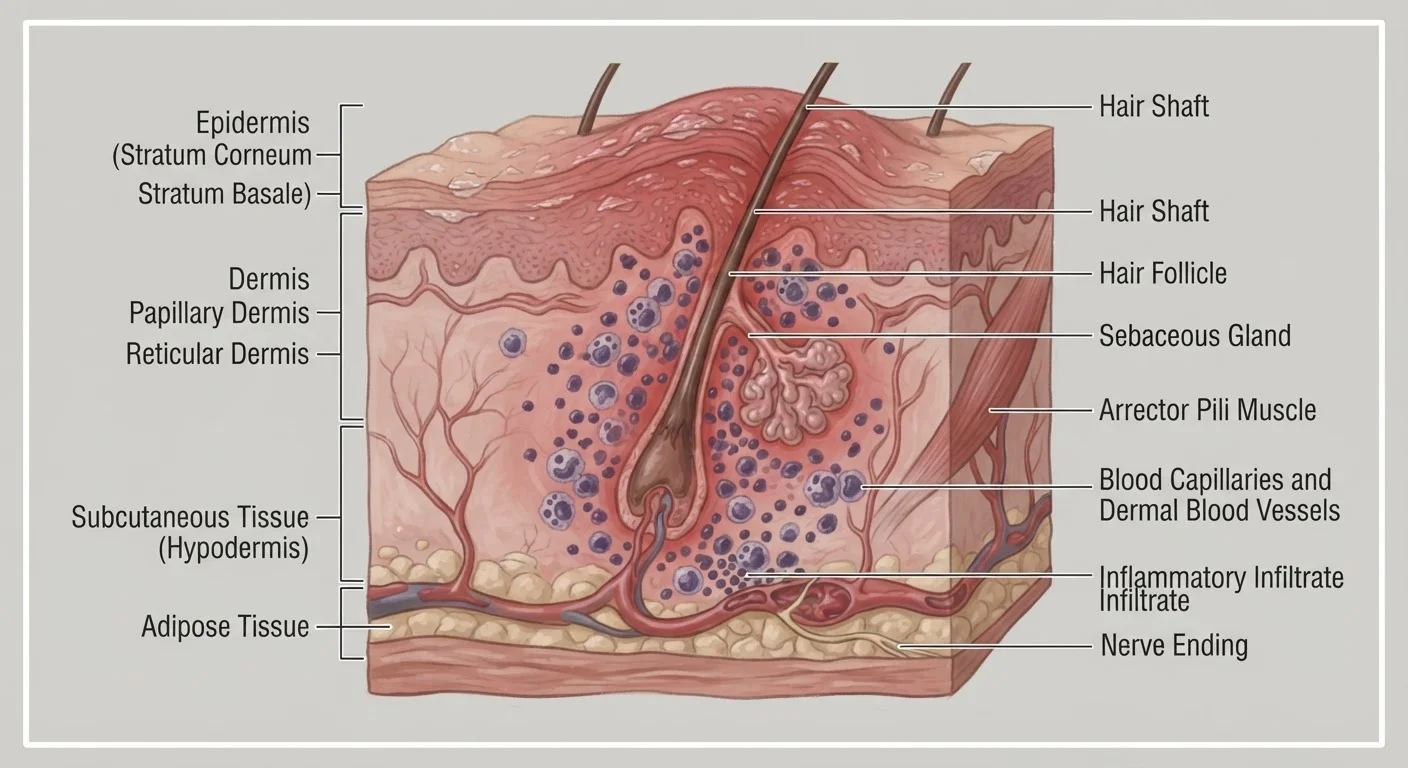
The scalp contains a high density of hair follicles, sebaceous glands, and blood vessels, all embedded in skin that behaves differently from skin elsewhere on the body. When immune cells in this tissue become activated, they release signaling molecules that cause local redness, warmth, itching, and sometimes pain. That sequence is inflammation, and on the scalp it disrupts far more than comfort.
Follicles caught inside inflamed tissue receive distorted chemical signals. The normal hair growth cycle moves through phases of active growth (anagen), regression (catagen), and rest (telogen). Inflammatory cytokines can shorten the anagen phase prematurely, pushing more follicles into telogen and increasing shedding. This is why scalp inflammation and diffuse hair thinning frequently appear together, even when no obvious scalp lesion is visible.
For a clearer picture of follicle anatomy and the growth cycle, see Scalp Biology 101, which covers how this tissue functions under normal conditions.
Systemic origins: why the scalp reflects internal health
Local triggers such as harsh shampoos, fungal overgrowth, or contact allergens do cause scalp inflammation. However, many cases that prove stubborn or recurrent have systemic roots.
Hormones are among the most direct links. Androgens, particularly dihydrotestosterone (DHT), bind to receptors in follicle cells and sebaceous glands. Elevated androgen activity increases sebum production and alters the follicle environment in ways that favor microbial overgrowth and immune activation. This connects scalp health directly to the broader hormonal balance that governs many body systems.
The gut-scalp axis is another pathway worth understanding. The gut microbiome shapes systemic immune tone: when microbial communities in the gut are disrupted, inflammatory signaling can increase throughout the body, including at the scalp. Gut health and chronic inflammation explains how imbalance in intestinal microbes translates into broader inflammatory signals.
Thyroid dysfunction, iron deficiency, and zinc insufficiency each alter the scalp environment through different mechanisms. Hypothyroidism slows cell turnover in follicles; low iron impairs oxygen delivery to growing hair; zinc deficiency weakens the skin barrier and immune regulation in sebaceous units. A thorough evaluation of persistent scalp inflammation typically includes assessment of these systemic factors.
50%
Adults affected by dandruff at some point
Seborrheic dermatitis, the most common inflammatory scalp condition, is estimated to affect approximately half of the adult population at some point, according to published dermatology reviews.
3x
Higher scalp inflammation risk with gut dysbiosis
Research on the gut-skin axis suggests individuals with documented intestinal dysbiosis show significantly elevated systemic inflammatory markers that can manifest in skin and scalp tissue.
30-40%
Women with hair shedding have low ferritin levels
Several clinical studies in dermatology have found low iron storage (ferritin) in a substantial proportion of women presenting with diffuse, inflammation-related hair shedding.
The scalp microbiome and immune signaling
The scalp hosts a community of bacteria and fungi that, under balanced conditions, coexist without causing symptoms. The yeast Malassezia is present on virtually all adult scalps and is largely benign when in equilibrium with competing microbes and a competent skin immune response. When that balance shifts, whether through changes in sebum composition, pH, or immune status, Malassezia can trigger the inflammatory cascade associated with seborrheic dermatitis and dandruff.
This dynamic parallels how gut microbes influence intestinal immunity. The scalp microbiome interacts with tissue-resident immune cells that patrol the follicle environment. Disruptions in microbial balance activate these cells in ways that generate persistent, low-grade inflammation even without an acute infection. The scalp microbiome offers a detailed introduction to these microbial communities and what is currently understood about their role in follicle health.
Importantly, the same lifestyle factors that disrupt gut microbial diversity, including high-sugar diets, chronic stress, and certain medications, can also alter scalp microbial balance. This suggests that approaches supporting gut and immune health may have secondary benefits for scalp conditions, though the evidence for specific interventions remains an active area of research rather than established clinical guidance.
Reading visible signs and knowing when to act
Redness, scaling, persistent oiliness, and tenderness are the most common visible indicators of scalp inflammation. These signs do not always point to the same cause, and correctly distinguishing between psoriasis, seborrheic dermatitis, folliculitis, contact dermatitis, and other conditions requires professional evaluation. Self-diagnosis based on appearance alone is unreliable.
Reading your scalp provides a more detailed breakdown of what specific symptom patterns may indicate about internal health, including hormonal and nutritional signals. For the relationship between inflammation and hair regrowth specifically, scalp health and hair growth covers how follicle function is affected by the local inflammatory environment.
Anyone experiencing scalp symptoms that persist beyond a few weeks, worsen despite basic care, or coincide with hair thinning should consult a dermatologist or general practitioner. Blood tests can identify thyroid dysfunction, iron or zinc deficiency, and markers of systemic inflammation, providing a clearer picture than surface observation alone. Managing scalp inflammation without addressing its systemic contributors rarely produces lasting improvement.
This article is for informational purposes only and is not medical advice. Consult a qualified healthcare professional for diagnosis, treatment, or any personal health concerns.