

Key Takeaways
Gut-driven chronic inflammation
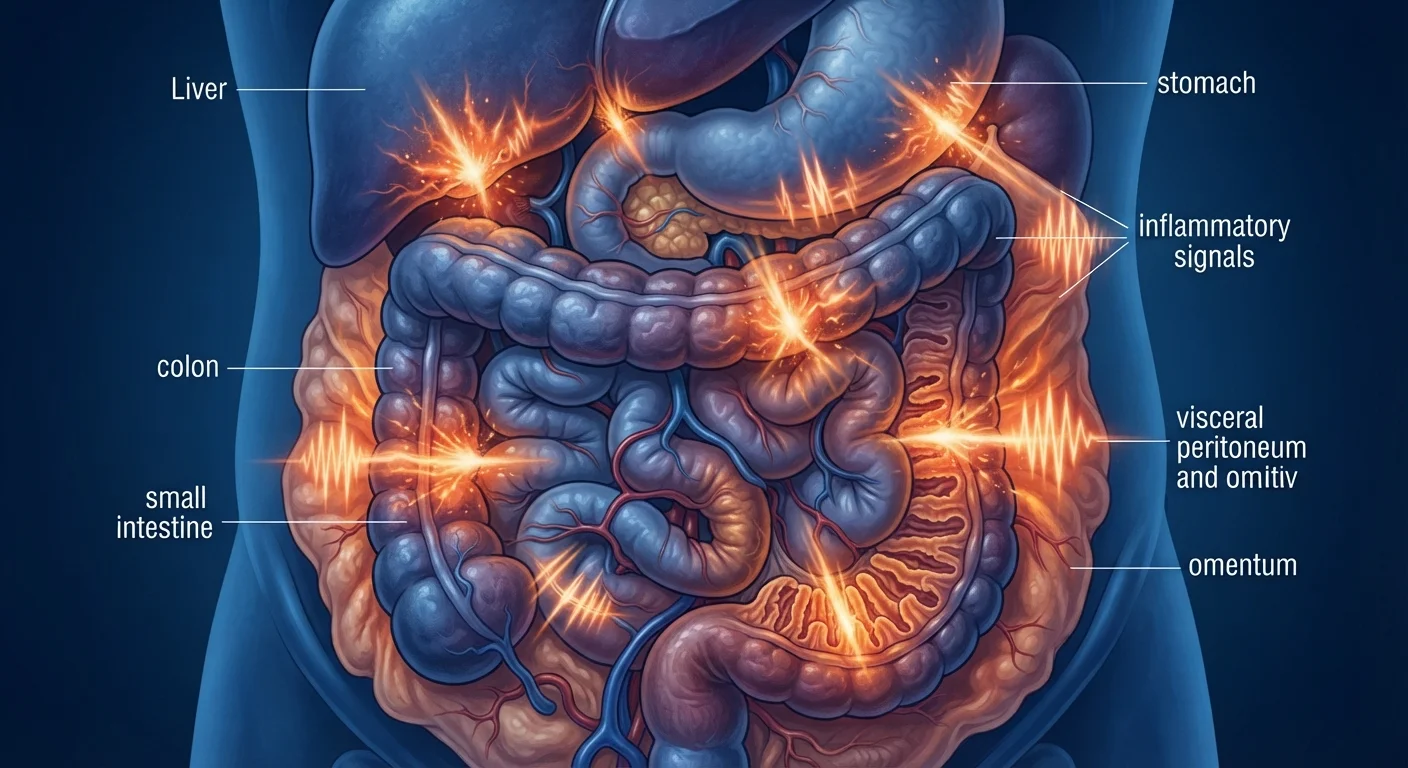
Gut-driven chronic inflammation is a state of persistent, low-grade immune activation that originates in the digestive tract and spreads throughout the body. Unlike acute inflammation, which resolves after injury or infection, this type lingers quietly and is often tied to imbalances in the gut's microbial community. Over time, it has been associated with a range of conditions including cardiovascular disease, metabolic disorders, and autoimmune conditions.
The process typically involves increased intestinal permeability allowing bacterial byproducts such as lipopolysaccharide (LPS) to enter circulation, triggering systemic immune responses via toll-like receptor signaling.
How the gut becomes an inflammation source
The human gut houses trillions of microorganisms, collectively called the gut microbiome, that interact constantly with the intestinal immune system. When this microbial community is balanced, it helps maintain the integrity of the intestinal lining and keeps immune responses proportionate. When balance is disrupted, a condition called dysbiosis, the consequences can extend far beyond digestion.
One of the more studied mechanisms involves the intestinal barrier. The lining of the gut is only one cell layer thick, and tight junctions between those cells normally prevent harmful substances from crossing into the bloodstream. Dysbiosis can weaken these junctions, allowing bacterial fragments, particularly lipopolysaccharide (LPS) from gram-negative bacteria, to enter circulation. The immune system interprets LPS as a threat and responds with inflammatory signaling molecules called cytokines. When this happens repeatedly, the result is chronic low-grade inflammation rather than a single resolved immune event.
This is not a fringe theory. Research published in journals including Gut and Nature Medicine has examined how elevated circulating LPS correlates with inflammatory markers in metabolic and cardiovascular disease populations. See how gut bacteria influence your immune system for a fuller look at the immune mechanisms involved.
~70%
Of immune tissue located in the gut
Gastroenterology researchers estimate that roughly 70 percent of the body's immune cells are associated with gut-associated lymphoid tissue (GALT).
2-3x
Higher LPS levels in some metabolic disease populations
Studies published in journals including Diabetes Care have reported elevated circulating LPS in individuals with obesity-related metabolic dysfunction compared to healthy controls.
38 trillion
Estimated microbial cells in the human gut
A widely cited 2016 estimate in Cell revised earlier figures, placing the number of gut microorganisms roughly on par with human cells in the body.
The systemic reach of gut-derived inflammation
Inflammatory signals that originate in the gut do not stay there. Cytokines travel through the bloodstream and can affect organs and tissues throughout the body. The liver, for instance, is directly downstream of the gut via the portal vein, making it one of the first organs to encounter microbial byproducts from the intestine. Persistent exposure may contribute to low-grade hepatic inflammation. Explore the liver health hub for context on how this organ manages inflammatory burden.
The skin is another site where gut-derived inflammation can become visible. Microbiome imbalances have been connected to inflammatory skin conditions through pathways involving immune cell activation and altered barrier function. The skin-gut axis describes how these signals manifest externally.
Cardiovascular risk is also relevant. Systemic inflammatory activity contributes to arterial damage, and the gut may be a significant driver of that process. Cholesterol and inflammation interact in ways that make microbial health relevant to heart disease prevention discussions. The lymphatic system, which clears inflammatory waste from tissues, is another connected pathway worth understanding; the lymphatic system hub covers its role in immune defense.
What disrupts microbial balance
Several common lifestyle factors alter the gut microbiome in ways that promote dysbiosis. Diets low in fiber deprive beneficial bacteria of their primary fuel source, reducing populations of species that produce short-chain fatty acids (SCFAs). SCFAs such as butyrate help maintain intestinal barrier integrity and suppress inflammatory signaling in the colon lining. A fiber-poor diet effectively reduces this protective output.
Antibiotic use can be necessary and life-saving, but broad-spectrum courses reduce microbial diversity, sometimes for months afterward. Chronic sleep disruption and sustained psychological stress both alter the composition of the microbiome through hormonal and nervous system pathways. Gut health habits that are easy to undermine covers these risk factors in practical detail.
The gut-brain connection adds another layer. Stress hormones released during prolonged psychological strain affect gut motility and microbiome composition, which can then feed back into inflammatory signaling. The gut-brain connection explains these bidirectional mechanisms in depth.
Dietary approaches that may lower inflammatory burden
The strongest dietary evidence for reducing gut-driven inflammation centers on fiber intake and microbial diversity. Fermentable fibers from vegetables, legumes, oats, and whole grains feed species that produce SCFAs. A broader variety of plant foods generally corresponds with greater microbial diversity, which research associates with more resilient immune regulation.
Fermented foods such as plain yogurt, kefir, kimchi, and miso introduce live microorganisms that may modulate gut composition, though the magnitude of effect varies between individuals. Some research suggests that high-fiber diets and fermented food consumption together produce more consistent changes in inflammatory markers than either approach alone.
Processed foods high in refined sugars and certain emulsifiers have been shown in preclinical and some human studies to alter tight junction integrity and shift microbial composition toward pro-inflammatory species. Reducing these while increasing whole food variety is a reasonable general direction, though anyone managing existing digestive or inflammatory conditions should work with a healthcare provider or registered dietitian before making substantial dietary changes.
The gut-body connection provides broader context on how digestive function shapes health across multiple organ systems.
This article is for informational purposes only and is not medical advice. Consult a qualified healthcare professional for guidance on any health condition, symptoms, or before making significant changes to your diet or lifestyle.