
The Gut-Brain Connection: How Your Digestive System and Mind Influence Each Other

Key Takeaways
The gut-brain connection
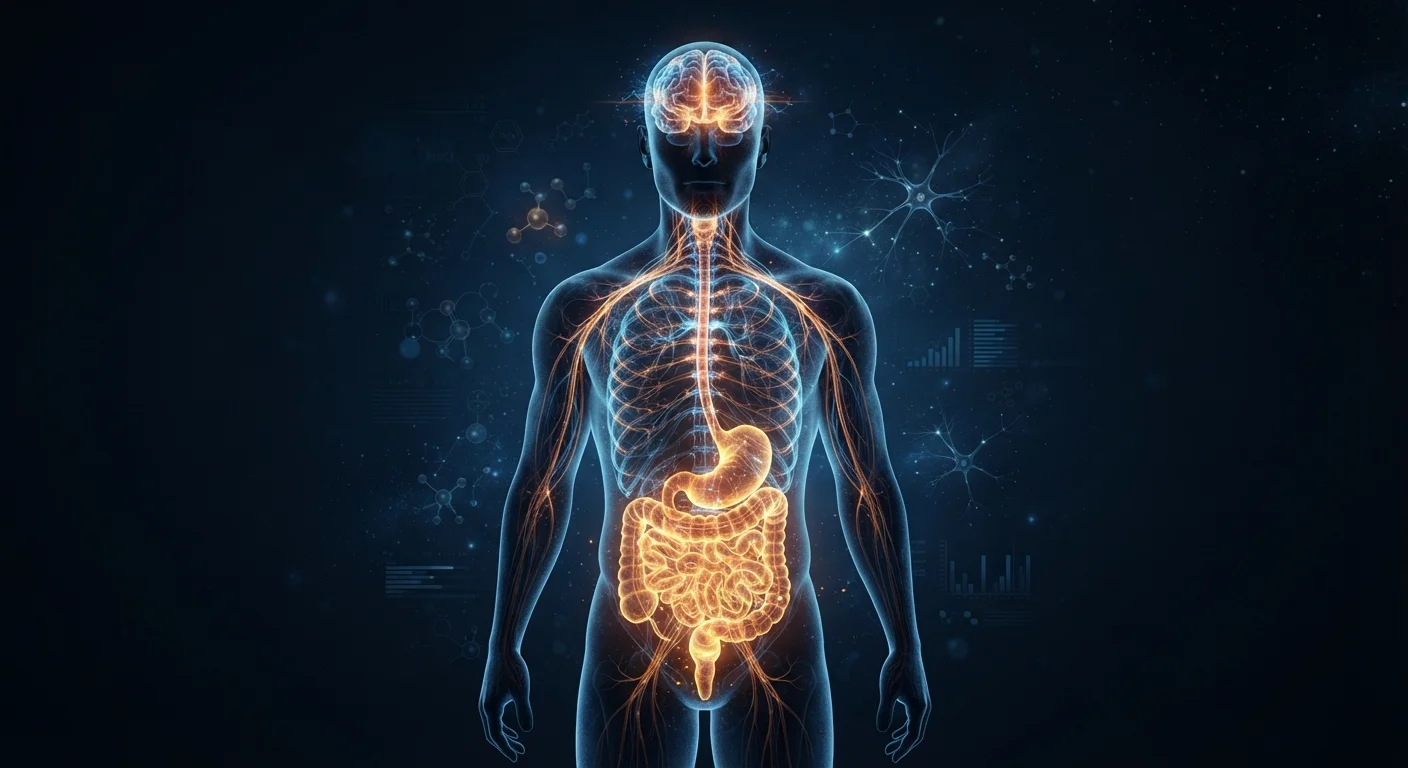
The gut-brain connection is the two-way communication system between your digestive tract and your central nervous system. Signals travel in both directions: your brain influences digestion, and your gut sends information back that affects mood, stress response, and cognition. This relationship involves nerves, hormones, and the trillions of microbes living in your intestines.
Researchers refer to this system as the gut-brain axis, a network that includes the enteric nervous system (sometimes called the 'second brain'), the vagus nerve, and microbial metabolites such as short-chain fatty acids and neurotransmitter precursors.
A two-way street between gut and brain
Most people understand that the brain can affect the gut. Nervousness before a presentation causes stomach upset, grief can kill appetite, and fear triggers that unmistakable rush to the bathroom. What is less widely appreciated is that the gut also sends a steady stream of information back to the brain, and that signal influences how we feel, think, and respond to stress.
For a fuller explanation of the underlying architecture, see what the gut-brain axis actually is and why it matters. The short version: this is not a metaphor. The enteric nervous system (ENS), a mesh-like network of approximately 500 million neurons embedded in the gut wall, coordinates digestion largely on its own. The vagus nerve connects it to the central nervous system, and about 80 percent of that nerve's fibres carry signals from gut to brain rather than the reverse.
This bidirectional architecture means that what happens in your intestines does not stay there. Gut-produced compounds enter circulation, microbes generate metabolites that cross into the bloodstream, and immune cells in the gut lining release signals that travel systemically. The result is a continuous, low-level conversation that most of us never notice until something goes wrong.
~500 million
Neurons in the enteric nervous system
The enteric nervous system contains roughly 500 million neurons, more than the spinal cord, allowing it to regulate digestion independently.
~90%
Serotonin produced in the gut
Approximately 90 percent of the body's serotonin is synthesised in the gastrointestinal tract, where it regulates gut motility and interacts with the vagus nerve.
80%
Vagus nerve fibres carrying gut-to-brain signals
Research indicates that roughly 80 percent of vagus nerve fibres run afferently, transmitting information from the gut up to the brain rather than the reverse.
What gut microbes have to do with your mental state
The gut microbiome, the roughly 38 trillion microbial cells living in the human gastrointestinal tract, is not a passive resident. Gut bacteria ferment dietary fibre into short-chain fatty acids (SCFAs) such as butyrate, propionate, and acetate. These compounds have documented anti-inflammatory effects and interact with cells that regulate appetite, immune function, and gut barrier integrity.
Gut bacteria also produce or influence the production of neurotransmitter precursors. Around 90 percent of the body's serotonin is synthesised in the gut, not the brain, and specific bacterial species affect how much of its precursor, tryptophan, is available. Microbial activity similarly influences GABA precursor availability and dopamine metabolism, though translating these observations into reliable clinical outcomes remains an active area of research.
Disruptions to microbial balance, a state researchers call dysbiosis, have been linked in observational studies to changes in anxiety, depression, and stress reactivity. The relationship is associative in most human data; causality in either direction is harder to establish. Signs your gut health may be affecting your mood explores what that overlap looks like in practice.
How stress reshapes the digestive environment
Stress does not just make your stomach feel bad temporarily. Chronic or repeated stress activates the hypothalamic-pituitary-adrenal (HPA) axis, producing cortisol and other hormones that alter gut function in measurable ways. Gut motility can speed up or slow down, intestinal permeability may increase, and microbial composition can shift within days.
How stress disrupts your gut and what that means for your body covers the physiological pathway in detail. The practical implication is that stress management is not separate from gut health management. Sleep, physical activity, and breathing-based relaxation practices have all been studied as inputs that modulate the HPA axis and, by extension, gut function.
Conditions that sit at the intersection of stress and gut disruption, including irritable bowel syndrome (IBS) and functional dyspepsia, illustrate this relationship clearly. Both are defined partly by altered gut-brain signaling, and both often worsen during periods of psychological pressure.
Dietary habits that support the gut-brain axis
No diet cures mental health conditions or reverses gut disease on its own, and anyone managing either should work with a qualified clinician. That said, certain dietary patterns have documented effects on the microbial and neuroendocrine variables relevant to this axis.
Dietary fibre is the most consistently supported input. Soluble fibre in particular feeds SCFA-producing bacteria. For a breakdown of how different fibre types work mechanically, see soluble vs. insoluble fibre and what each one actually does in your gut. Fermented foods have shown promise for increasing microbial diversity in controlled trials; fermented foods and the microbiome: what the research actually shows assesses that evidence honestly.
Highly processed foods, excess added sugar, and alcohol have each been associated with reductions in microbial diversity and increased intestinal inflammation in research populations. The Mediterranean dietary pattern, rich in plant foods, legumes, and unsaturated fats, has the broadest evidence base for supporting both metabolic and psychological health outcomes, though effect sizes in gut-brain studies are generally modest.
This article is for informational purposes only and is not medical advice. Consult a qualified healthcare professional for guidance on any health condition or before making significant changes to your diet or lifestyle.