

Key Takeaways
Conditioned arousal
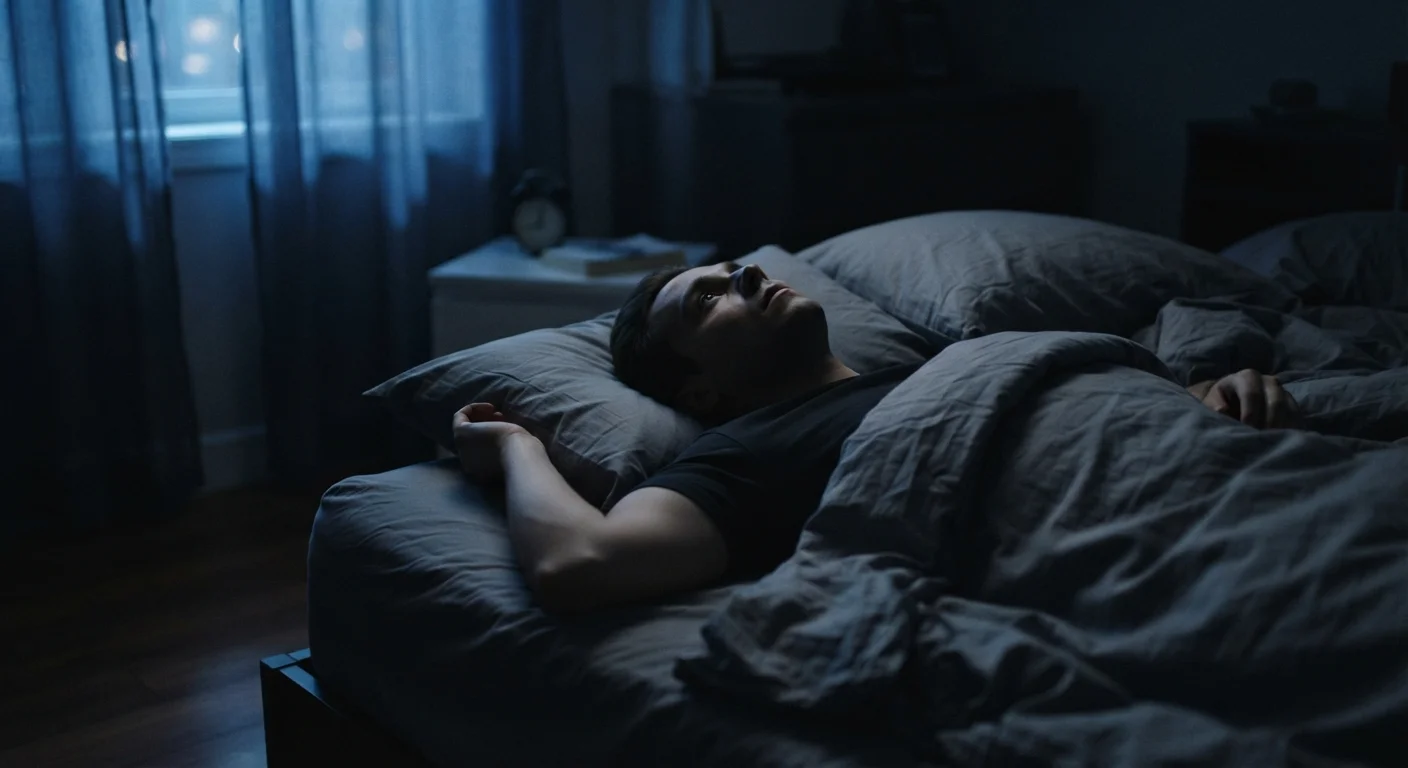
Conditioned arousal is a learned response in which the brain begins to associate the bed or bedroom with wakefulness and alertness rather than sleep. Over time, repeated exposure to lying awake in bed reinforces this association, making it harder to fall or stay asleep. It is one of the most common mechanisms behind chronic insomnia.
The phenomenon follows classical conditioning principles: the bed becomes a conditioned stimulus that reliably triggers a hyperarousal response, activating the autonomic nervous system rather than quieting it.
How a bed becomes a wakefulness trigger
The brain is a pattern-recognition system. When two things consistently occur together, the brain begins to predict one from the other. For people who spend prolonged time awake in bed, whether from insomnia, anxiety, or habit, the bed itself becomes a reliable predictor of wakefulness.
This process mirrors the same learning mechanism that makes your mouth water at the smell of food. The bed, originally a neutral stimulus, acquires arousal properties through repeated pairing with a wakeful, often anxious state. Once this association is established, simply getting into bed can trigger a physiological stress response: elevated heart rate, racing thoughts, and a sense of alertness that feels entirely out of place at midnight.
Psychologists who specialize in behavioral sleep medicine refer to this as conditioned arousal, and it is one of the clearest explanations for why chronic insomnia persists even when the original cause, such as a stressful event, has long passed. The original problem resolves, but the learned association remains.
Understanding what sleep hygiene actually involves is useful context here, because conditioned arousal is one of the core problems that consistent sleep hygiene practices are designed to prevent.
What happens in the brain during conditioned arousal
When conditioned arousal takes hold, the autonomic nervous system shifts toward a sympathetic (fight-or-flight) state at precisely the time it should be moving toward a parasympathetic (rest-and-digest) state. Cortisol and other stress-related hormones remain elevated, body temperature stays higher than it should be for sleep onset, and mental activity increases rather than quieting down.
This is not simply a matter of overthinking. The physiological shift is real and measurable. Research on people with chronic insomnia has found elevated metabolic rates and higher core body temperatures at night compared to those without insomnia, consistent with sustained arousal rather than relaxation.
30%
Adults reporting chronic insomnia symptoms
Population-level estimates from sleep epidemiology research consistently place the prevalence of insomnia symptoms in adults at approximately 30%, with conditioned arousal identified as a primary maintaining factor.
80%+
Improvement rate with CBT-I over medication alone
Clinical trials comparing Cognitive Behavioral Therapy for Insomnia to sleep medication have found that CBT-I, which includes stimulus control, produces more durable long-term improvements in sleep onset and maintenance.
The brain's association between the bed and wakefulness does not require conscious effort to maintain. It operates below deliberate awareness, which is why people with conditioned arousal often feel genuinely tired during the day but suddenly alert the moment they get into bed. The environment itself is doing the work.
Behaviors that accelerate the conditioning
Conditioned arousal rarely develops overnight. Several common behaviors speed up the process, often without the person recognizing the connection.
- Staying in bed for long periods hoping sleep will eventually arrive, which extends the time the brain spends awake in that environment.
- Using the bed for activities other than sleep, such as working on a laptop, watching videos, or scrolling social media, which adds new waking experiences to the same stimulus.
- Clock-watching while lying awake, which adds a layer of performance anxiety that intensifies arousal.
- Going to bed much earlier than usual after a poor night, attempting to "catch up," which increases the likelihood of lying awake for extended periods.
Daytime patterns also shape nighttime arousal levels, and addressing those habits alongside bedroom behavior gives the conditioning less opportunity to strengthen.
Reversing the association through stimulus control
The behavioral intervention with the strongest evidence for breaking conditioned arousal is called stimulus control therapy. Developed by psychologist Richard Bootzin in the 1970s, it is now a core component of Cognitive Behavioral Therapy for Insomnia (CBT-I), which major sleep medicine organizations recognize as a first-line treatment for chronic insomnia.
The central principle is straightforward: the bed must be reserved exclusively for sleep (and intimacy) so that its association with wakefulness is gradually extinguished. Specific guidelines from stimulus control protocols include:
- Go to bed only when genuinely sleepy, not simply because it is a scheduled bedtime.
- If you cannot fall asleep within approximately 20 minutes, leave the bed and go to another room. Return only when sleepy.
- Do not read, watch content, or use devices in bed.
- Keep a consistent wake time every morning, regardless of how much sleep you got.
The discomfort of leaving a warm bed at night is real, and short-term sleep may feel worse before it improves. That temporary difficulty is part of the reconditioning process.
What to do when you leave the bed
Choose a quiet, low-light activity in another room, such as reading a physical book or listening to calm audio. Avoid bright screens and stimulating content. Return to bed only when you feel genuinely drowsy, not simply after a fixed number of minutes. Consistency across nights matters more than perfection on any single night.
A structured pre-bed routine supports stimulus control by creating a predictable physiological wind-down before you get into bed, reducing the arousal the brain carries into the sleep environment. Pairing this with attention to bedroom conditions such as light and temperature removes additional signals that might sustain wakefulness.
This article is for informational purposes only and is not medical advice. If you are experiencing chronic insomnia or sleep difficulties, consult a qualified healthcare professional for personalized guidance.