

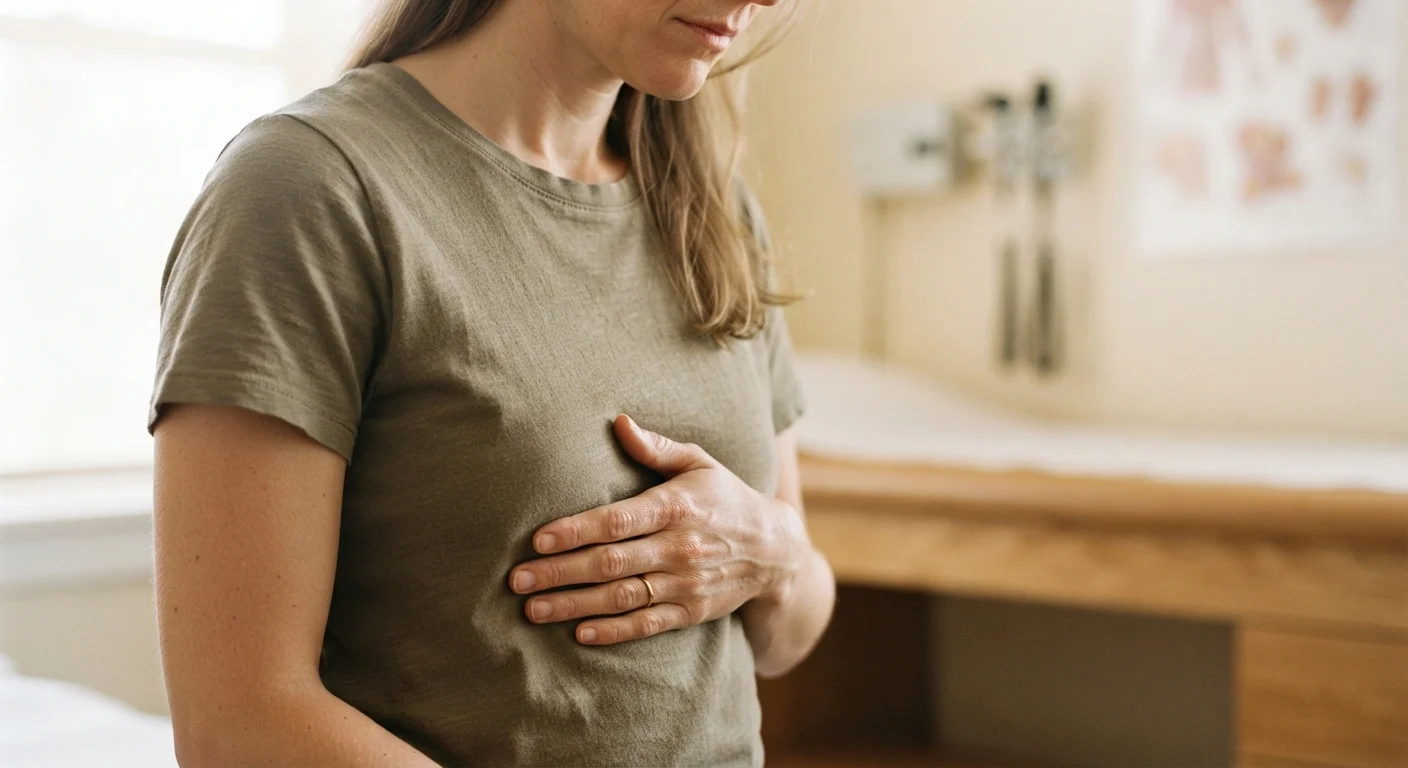
How the liver signals it is under stress
The liver has no pain receptors in the tissue itself, which means significant dysfunction can develop before a person feels anything distinctive. When symptoms do appear, they are often non-specific: fatigue, mild nausea, or a dull heaviness in the right upper abdomen. This overlap with dozens of other conditions is why self-diagnosis is unreliable.
Several symptoms have a reasonably consistent association with liver stress in clinical literature, though none is diagnostic on its own:
- Persistent fatigue that does not improve with rest, linked to impaired glycogen storage and reduced detoxification capacity.
- Jaundice: yellowing of the skin or whites of the eyes, caused by bilirubin accumulation. See what skin colour changes can and cannot tell you for context on which changes warrant urgent attention.
- Dark urine or pale stools, both of which reflect altered bilirubin excretion.
- Right upper quadrant discomfort, which may indicate liver enlargement or inflammation of the surrounding capsule.
- Unexplained itching (pruritus), which can follow bile salt accumulation in the skin when bile flow is obstructed.
- Abdominal bloating or fluid accumulation (ascites), associated with advanced liver disease affecting portal circulation.
Fatigue and bloating in particular are also common in hormonal imbalance and gut disorders. Hormonal symptoms are frequently misattributed in exactly the same way, which reinforces why a laboratory assessment is necessary before assuming a liver cause.
Symptoms that require prompt medical evaluation
Some signs should not be managed with watchful waiting. The following warrant a same-day or emergency medical contact:
- Sudden, severe abdominal pain, particularly in the upper right area.
- Jaundice developing over hours or days rather than gradually.
- Vomiting blood or passing black, tarry stools, which can indicate a ruptured varix connected to portal hypertension.
- Confusion, disorientation, or slurred speech alongside any liver-related symptoms, possible signs of hepatic encephalopathy.
- Significant and rapid abdominal swelling.
For symptoms that are milder or have persisted over weeks, a scheduled appointment with a primary care physician is appropriate. Standard initial tests include liver function panels (ALT, AST, ALP, bilirubin), a full blood count, and often an abdominal ultrasound. These tests establish whether the liver is actually involved before further investigation.
This article is for informational purposes only and is not a substitute for professional medical advice, diagnosis, or treatment. Always consult a qualified healthcare provider about any symptoms or health concerns.
Conditions commonly mistaken for liver stress
Because the liver's symptom profile overlaps so broadly with other conditions, several diagnoses are frequently confused with liver dysfunction in early or self-assessed stages:
- Irritable bowel syndrome (IBS)
- Bloating, cramping, and fatigue are cardinal features of IBS and can mimic early hepatic complaints.
- Thyroid dysfunction
- Both hypothyroidism and hyperthyroidism cause fatigue, weight changes, and skin alterations that patients sometimes attribute to the liver.
- Metabolic syndrome
- Elevated triglycerides, central adiposity, and insulin resistance directly affect the liver, but the symptoms of the syndrome itself are often nonspecific. See the discussion of how metabolic syndrome and liver health interact for more detail.
- Gallbladder disease
- Right upper quadrant pain and nausea after fatty meals closely resemble liver complaints but originate in the gallbladder or bile ducts.
A clinician can distinguish these through targeted tests. Attempting to interpret symptoms without laboratory data tends to delay accurate diagnosis.
Protective habits supported by current evidence
While this article focuses on recognition rather than treatment, it is useful to note which modifiable factors have consistent evidence behind them. Everyday habits that quietly strain the liver covers the specific behaviors most associated with cumulative hepatic stress.
Broadly, the habits with the strongest evidence for liver protection include:
- Limiting alcohol intake, since ethanol is directly hepatotoxic and dose-dependent in its effects.
- Maintaining a body weight in a healthy range, because excess visceral fat is a primary driver of non-alcoholic fatty liver disease (NAFLD).
- Regular physical activity, which reduces hepatic fat accumulation independent of dietary change.
- Careful use of medications and supplements, as many over-the-counter drugs and herbal products carry hepatotoxic risk at certain doses.
For a structured way to review these habits against evidence-based targets, see the liver-friendly living self-audit. For broader context on liver anatomy, risk factors, and long-term protection, the complete picture of liver health provides a comprehensive reference.