

Key Takeaways
Abdominal bloating
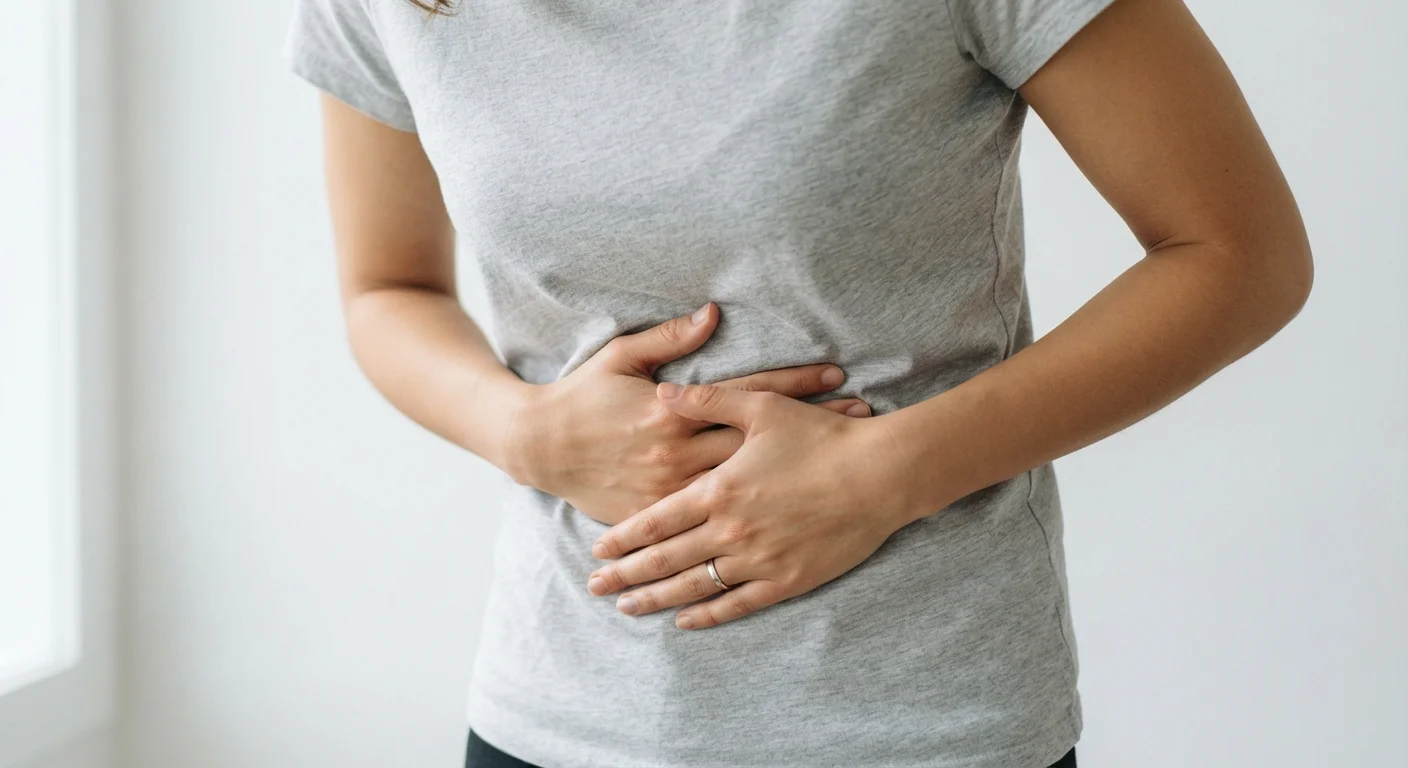
Abdominal bloating is a sensation of fullness, pressure, or visible distension in the belly that occurs when gas, fluid, or food accumulates in the digestive tract. It is not a condition in itself, but a symptom that can point to a range of digestive processes, some routine and some worth investigating. The sensation arises from the gut's response to what passes through it, including the foods you eat, the bacteria in your colon, and the speed at which your digestive system moves.
Clinically, bloating is distinguished from distension, where bloating is the subjective feeling of fullness and distension is the measurable increase in abdominal circumference. Both can occur together or independently.
Why bloating happens: the basic mechanisms
The digestive tract is a continuous tube that processes roughly 30 liters of gas per day. Most of that gas is produced in the colon, where gut bacteria ferment undigested carbohydrates. When that fermentation runs faster than the gut can clear gas, pressure builds and the sensation of bloating follows.
Gas production is not the only mechanism. Fluid retention in the intestinal walls, impaired movement of contents through the gut (called dysmotility), and heightened sensitivity of the intestinal lining to normal levels of gas all contribute. Two people with identical amounts of colonic gas can have completely different experiences, one barely notices while the other feels significant discomfort, because visceral sensitivity varies between individuals.
Swallowed air, technically called aerophagia, is another underappreciated source. Eating quickly, drinking carbonated beverages, and even talking while chewing introduce air into the upper digestive tract. That air must either be expelled as a belch or travel further down the system.
Track timing, not just food
When logging bloating episodes, note the time of symptom onset relative to eating, not just which foods you ate. A 30-minute onset points to different mechanisms than symptoms that build over several hours. This detail helps a clinician or dietitian narrow down causes far more quickly than a food list alone.
What your bloating pattern reveals
The timing and location of bloating carry diagnostic information. Bloating that appears within 30 to 90 minutes of eating often reflects activity in the small intestine, where enzyme deficiencies or small intestinal bacterial overgrowth (SIBO) can disrupt absorption. Lactase deficiency, for instance, leaves lactose unabsorbed; it reaches the colon intact, where bacteria ferment it rapidly, producing hydrogen and methane gas.
Bloating that builds gradually over the course of a day, peaking by evening, more typically reflects cumulative colonic fermentation. High-FODMAP foods, a category that includes certain legumes, wheat, garlic, onion, and some fruits, are well-studied fermentation triggers in people who experience this pattern.
Consistent bloating that does not respond to food changes may point to gut motility problems. In slow-transit constipation, contents sit in the colon longer, giving bacteria more time to ferment them. In conditions like gastroparesis, where stomach emptying slows, food accumulates and generates pressure before it even reaches the small intestine.
For a broader view of how these gut processes interact with systems elsewhere in the body, see how the digestive system shapes whole-body health.
The microbiome's contribution
The composition of your gut microbiome directly influences how much gas is produced from a given meal. Bacterial communities dominated by methane-producing archaea (Methanobrevibacter smithii is the best-characterized species) tend to produce more methane gas, which slows gut transit and correlates with constipation-predominant bloating. Communities with higher hydrogen producers generate a different fermentation signature.
Dysbiosis, an imbalance in the relative populations of gut bacteria, can amplify fermentation beyond what the gut manages comfortably. Antibiotic use, a low-fiber diet, and chronic stress are among the factors that alter microbial composition. The microbiome does not just ferment food; it communicates with intestinal immune cells and the enteric nervous system, which governs gut motility. Disruptions in that communication can worsen both gas production and sensitivity to it.
Research into how gut bacteria signal beyond the digestive tract is described in detail in how the gut microbiome communicates with the rest of the body.
10-25%
Adults who report regular bloating
Research published in gastroenterology literature consistently places the prevalence of frequent bloating in Western populations between 10 and 25 percent of adults.
Up to 96%
IBS patients reporting bloating
Studies in the gastroenterology literature report that bloating is among the most common symptoms in irritable bowel syndrome, affecting the large majority of people with that diagnosis.
500 million
Neurons in the enteric nervous system
The enteric nervous system, which governs gut function, contains an estimated 500 million neurons, reflecting the digestive tract's capacity for complex, semi-autonomous signaling.
Stress, the gut-brain axis, and bloating
The enteric nervous system contains roughly 500 million neurons and operates with considerable independence, but it maintains constant bidirectional communication with the brain via the vagus nerve and neuroendocrine pathways. Stress signals transmitted through this axis alter gut motility, increase intestinal permeability, and shift the pain threshold of the gut lining, all of which can produce or worsen bloating.
Cortisol, released during stress, affects smooth muscle contraction in the intestines, often slowing transit in the small bowel while accelerating it in the colon. The result can be gas trapped in the small intestine alongside looser stools below, producing a bloating pattern that does not fit neatly into a food-based explanation.
This connection between emotional state and gut function helps explain why bloating in people with irritable bowel syndrome often worsens during periods of anxiety, even without dietary changes. If you are noticing overlap between your digestive symptoms and mood, signs your gut health may be affecting your mood covers that relationship in detail.
Practical steps worth considering
Identifying which mechanism drives your bloating shapes what adjustments are worth making. A food-symptom diary kept for two to four weeks often reveals patterns that generalized advice misses, connecting specific meals, stress events, or times of day to symptom onset.
Reducing high-FODMAP foods temporarily, under guidance from a registered dietitian, has substantial clinical evidence behind it for people whose bloating is fermentation-driven. This is a diagnostic and therapeutic tool, not a permanent elimination protocol; the goal is to identify which food categories are problematic rather than to restrict long-term.
Eating behaviors matter too. Chewing thoroughly, avoiding carbonated drinks with meals, and not eating under time pressure each reduce the aerophagia component. For people whose bloating connects to constipation-related dysmotility, adequate fiber from non-fermentable sources and sufficient fluid intake support transit without adding fermentation load.
Some daily habits that appear unrelated to digestion can quietly worsen gut function over time. daily habits that quietly undermine your digestion covers several of the less obvious ones.
Bloating that is severe, persistent, or accompanied by other symptoms such as unexplained weight loss, blood in the stool, or significant pain should be evaluated by a physician. A healthcare provider can order targeted tests, including breath tests for SIBO or lactose intolerance, to identify the mechanism rather than relying on trial and error.
This article is for informational purposes only and is not medical advice. Always consult a qualified healthcare professional before making changes to your diet, lifestyle, or health management, particularly if you have an existing medical condition.