
Heat Therapy and Cold Therapy for Sciatica: Choosing the Right Approach at the Right Time

Key Takeaways
Our Verdict
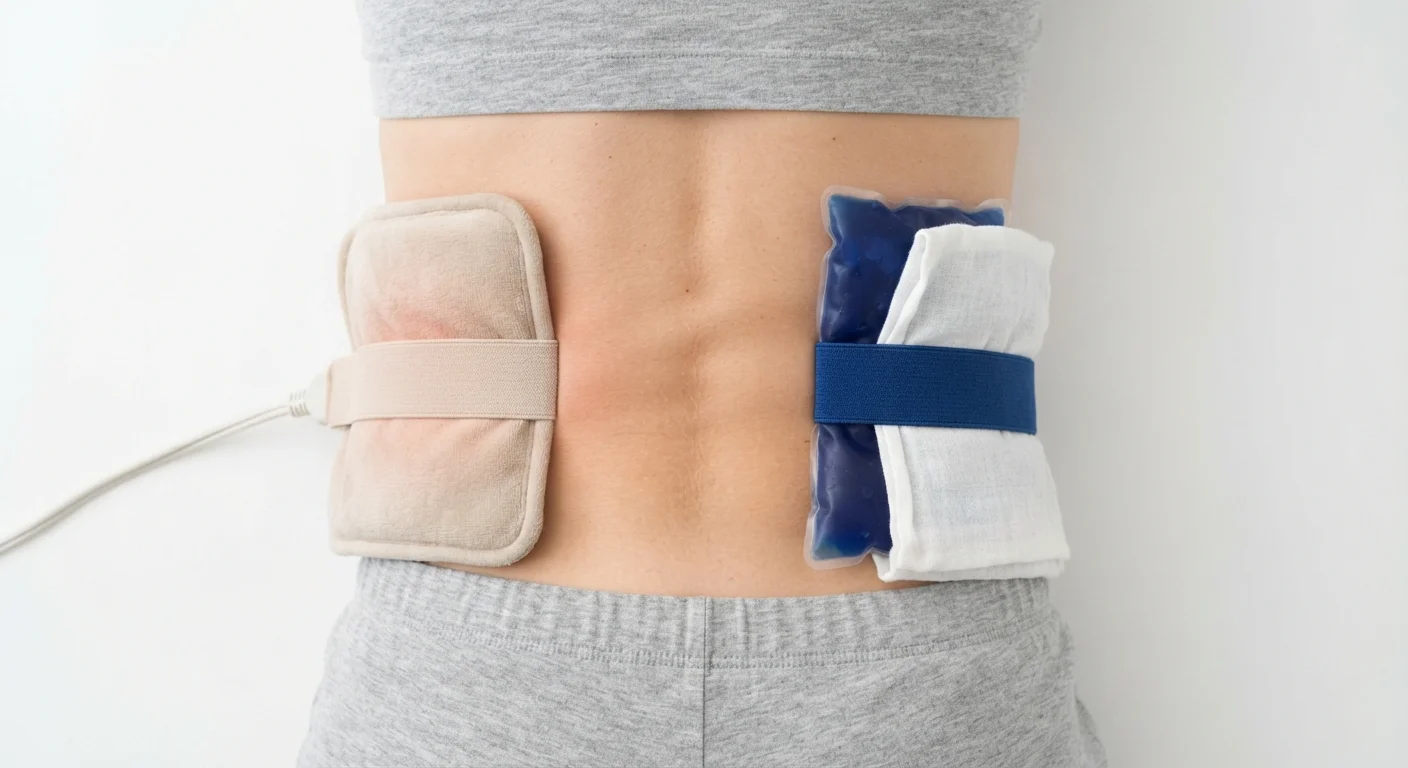
Cold therapy is the appropriate starting point during an acute sciatica flare, when inflammation and sharp nerve pain are at their peak. Heat therapy becomes more useful as the acute phase passes and muscle guarding or chronic aching takes over. Many people find the most relief by using cold in the first few days, then transitioning to heat or alternating both as symptoms evolve.
| Best for | Recommended |
|---|---|
| Acute flare within the first 48 to 72 hours | Cold therapy |
| Chronic or recurring sciatica with muscle tightness | Heat therapy |
| Transition phase between acute and chronic symptoms | Alternating heat and cold |
| Muscle spasm layered on top of nerve irritation | Heat therapy |
Why temperature-based therapies matter for sciatica
Sciatica is not a diagnosis in itself but a symptom pattern: pain, numbness, or tingling that travels along the sciatic nerve, typically from the lower back through the buttock and down one leg. The nerve irritation behind those sensations can stem from a herniated disc, bone spur, or spinal stenosis, among other causes. For a fuller picture of what produces this pattern, see our introductory sciatica guide.
Heat and cold are among the most accessible self-care tools available, and both have physiological rationale behind them. Neither eliminates the structural problem driving nerve irritation, but each can reduce pain signaling and make movement more tolerable. Choosing between them is not arbitrary; it depends on where you are in the pain cycle and what tissue mechanism is dominant at that moment.
How cold therapy works on sciatic nerve pain
Applying cold to tissue causes vasoconstriction (narrowing of blood vessels), which limits blood flow to the area. In the first 48 to 72 hours after a sciatica flare, this matters because acute tissue irritation around a compressed nerve produces local inflammation. Excess inflammatory fluid increases pressure on surrounding structures, which can intensify nerve pain.
Cold also slows nerve conduction velocity, which is the speed at which pain signals travel along the nerve. The practical result is a numbing effect that can interrupt the pain cycle temporarily without any systemic medication.
Common cold application methods include gel ice packs, bags of frozen vegetables wrapped in a towel, or commercial cold packs. Place a cloth barrier between the cold source and skin at all times; direct contact can cause frostbite. Sessions of 15 to 20 minutes, repeated every two to three hours, are a standard general guideline. Do not apply cold over broken skin, areas with reduced sensation, or regions with known circulation problems.
Use a timer for every session
It is easy to lose track of time when pain relief starts to set in. Set a timer for 15 to 20 minutes before applying either heat or cold. Removing the pack promptly reduces skin damage risk, particularly with ice, where numbness can mask early tissue injury.
How heat therapy works on sciatic nerve pain
Heat produces vasodilation, increasing blood flow to the target area. More blood flow brings oxygen and nutrients, and helps clear metabolic waste from muscles that have tightened in response to pain. This is why heat generally works better once the acute inflammatory phase has passed, typically after the first two to three days of a flare.
When sciatica has shifted from sharp, burning nerve pain to a duller, achy discomfort accompanied by stiff muscles in the lower back, buttock, or hamstring, heat addresses the dominant mechanism more directly. Muscle guarding (involuntary tightening around a painful area) is a common secondary problem in sciatica, and heat reduces that guarding by lowering muscle spindle sensitivity.
Moist heat, such as a warm damp towel or a hydrocollator pack, penetrates tissue slightly more effectively than dry heat from an electric pad, though both carry benefit. As with cold, limit sessions to 15 to 20 minutes and avoid falling asleep with an active heat source applied to the body.
For a broader comparison of how heat and cold differ as recovery modalities, the comparison of cold immersion and heat therapy covers the physiological tradeoffs in more detail.
Comparing the two approaches
The table below summarizes where each therapy has an advantage and where it is less suited.
| Cold therapy | Heat therapy | |
|---|---|---|
| Best timing | First 48 to 72 hours of a flare | After acute phase passes |
| Primary mechanism | Reduces inflammation, slows nerve conduction | Relaxes muscle, improves blood flow |
| Target symptom | Sharp, burning nerve pain | Dull ache, muscle stiffness |
| Session length | 15 to 20 minutes | 15 to 20 minutes |
| Main risk | Frostbite if no barrier used | Burns if left on too long |
| Avoid if | Poor circulation, reduced sensation | Active inflammation, open wounds |
Some clinicians suggest alternating heat and cold, sometimes called contrast therapy, during the transitional phase between acute and chronic symptoms. The approach involves applying cold for 10 minutes, then heat for 10 minutes, cycling two to three times. The rationale is that alternation may create a pumping effect on local circulation, though the evidence base for this specific application in sciatica is limited. It is a reasonable option to try if single-modality therapy is providing only partial relief.
Practical guidance and precautions
Temperature therapy is one component of conservative sciatica management, not a standalone treatment plan. Non-invasive management options for sciatica cover a wider range of tools, including exercise and manual therapy, that address muscle function and movement patterns alongside symptom relief.
Daily habits also shape how well any self-care strategy works. Prolonged sitting, poor posture during loading tasks, and excess body weight can sustain nerve compression regardless of what temperature therapy is applied. The role of lifestyle factors in sciatic nerve pain is worth reviewing alongside any local pain management approach.
If symptoms include progressive leg weakness, loss of bladder or bowel control, or pain that is rapidly worsening, stop self-care and seek medical attention promptly. These signs can indicate nerve compression that requires professional evaluation.
People who are pregnant, have diabetes with peripheral neuropathy, or have conditions affecting skin sensation or circulation should consult a healthcare provider before using either therapy, as reduced sensation increases the risk of burns or cold injury. Guided physiotherapy may provide a safer, more structured path for those in higher-risk groups.
This article is for informational purposes only and is not medical advice. Consult a qualified healthcare professional before starting any new treatment approach, particularly if you have underlying health conditions or your symptoms are severe or worsening.