
Dry Scalp vs. Dandruff: Understanding the Difference Before You Treat Either

Key Takeaways
Option A
Dry scalp
A moisture deficit condition, not a fungal or oil-related problem.
Best for: Understanding and addressing scalp tightness and small, powdery flakes caused by low sebum production or environmental triggers.
Option B
Dandruff
An inflammatory response linked to yeast overgrowth and excess sebum.
Best for: Identifying and managing larger, oily flakes and scalp irritation rooted in the skin's microbial and sebaceous environment.
If your scalp feels tight, itchy, and flakes are small and dry
Dry scalp
Tight, flaky scalp without greasiness points to a moisture deficit. Gentle, hydrating care and addressing environmental triggers is the appropriate starting point.
If flakes are oily, large, or yellowish and the scalp looks red or irritated
Dandruff
These features suggest Malassezia-related inflammation. Antifungal or zinc pyrithione-based shampoos are the standard first-line approach, not added moisture.
If symptoms persist despite consistent treatment for four to six weeks
Dermatologist consultation
Seborrheic dermatitis and scalp psoriasis can mimic both conditions and require clinical diagnosis for appropriate management.
Why confusing the two makes things worse
Most people reach for an anti-dandruff shampoo the moment they notice scalp flaking. That habit works when dandruff is the actual problem, but it can worsen symptoms when the scalp is simply dry. The two conditions produce similar-looking flakes through entirely different biological processes, and treating one with the other's remedy disrupts the scalp environment further.
Dry scalp results from insufficient sebum production or a compromised skin barrier that cannot retain water. The scalp loses moisture faster than the skin can replace it, triggering accelerated shedding of surface skin cells. Dandruff, by contrast, involves a yeast called Malassezia globosa that colonizes the scalp and metabolizes sebum into oleic acid. In people whose immune systems react to oleic acid, this triggers inflammation and rapid skin cell turnover, producing the characteristic greasy flakes.
Because the root causes differ so sharply, understanding basic scalp biology is a practical first step before choosing any treatment. Adding moisture to a dandruff-prone scalp can increase the lipid-rich environment that Malassezia thrives in. Applying antifungal agents to a genuinely dry scalp strips the barrier further, intensifying tightness and flaking.
How to tell them apart at home
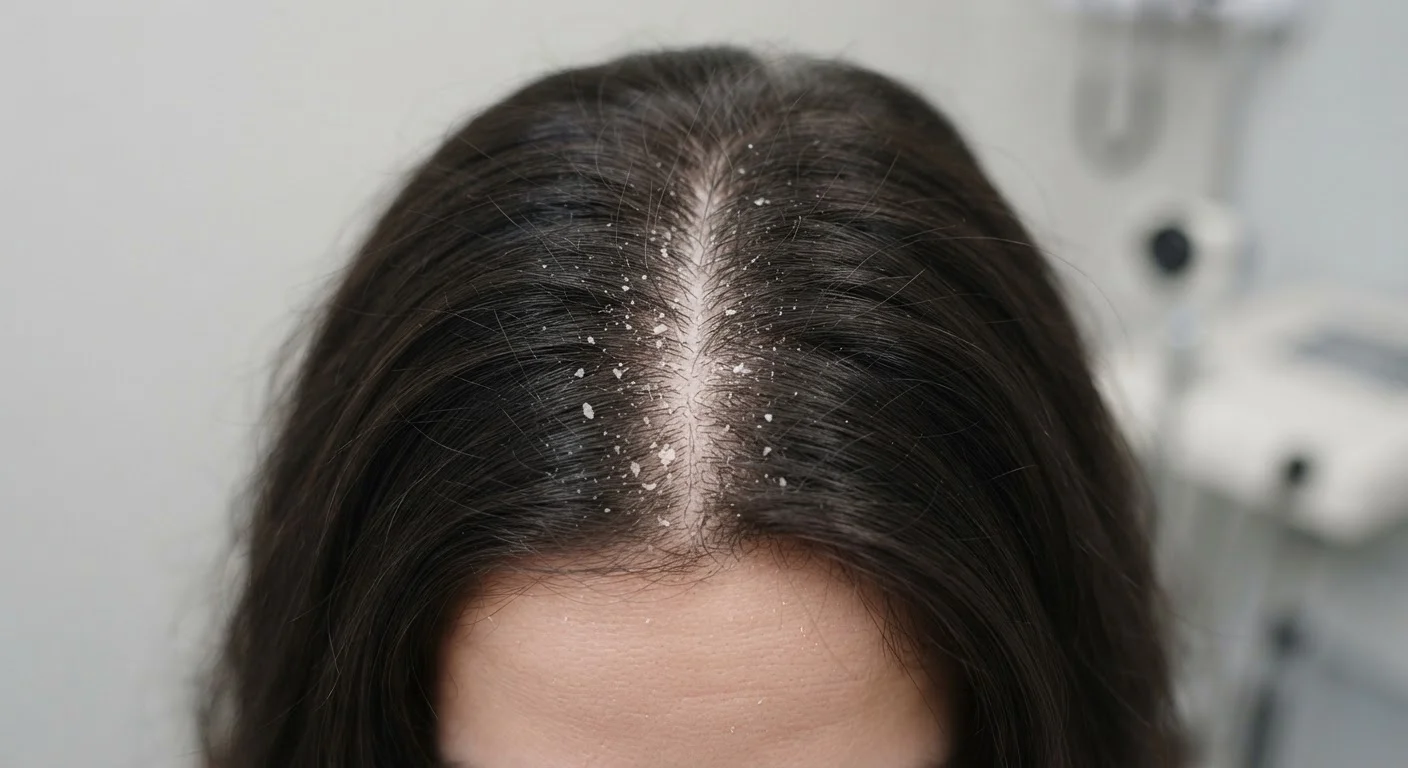
The flakes themselves offer the clearest diagnostic clue. Dry scalp flakes are small, white, and powdery. They tend to fall freely onto the shoulders with minimal scalp contact, and the scalp itself feels tight or itchy rather than greasy. The condition often worsens in winter months, after frequent washing with hot water, or following use of harsh, sulfate-heavy shampoos.
Dandruff flakes are larger, thicker, and often have a yellowish tinge. They tend to cling to the hair shaft or scalp surface because they are coated in sebum. The scalp may look slightly red or inflamed, and oiliness at the roots is common even shortly after washing. Stress, hormonal shifts, and immune changes can all intensify dandruff because they affect sebum output and inflammatory signaling.
| Criterion | Dry scalp | Dandruff |
|---|---|---|
| Flake appearance | Small, white, powdery | Larger, oily, yellowish |
| Flake behavior | Fall freely, not sticky | Cling to hair or scalp |
| Scalp feel | Tight, dry, sometimes itchy | Oily, possibly red or inflamed |
| Primary cause | Moisture or barrier deficit | Malassezia yeast and immune response |
| Sebum level | Low | Elevated |
| Common triggers | Cold air, hot water, harsh cleansers | Stress, hormonal shifts, immune changes |
| Typical treatment direction | Gentle hydration, barrier support | Antifungal or anti-inflammatory agents |
Persistent scalp oiliness and redness can also reflect hormonal or nutritional changes, so symptoms that worsen without an obvious trigger are worth noting.
Internal factors that drive both conditions
Neither condition exists in isolation from the rest of the body. Dry scalp is more common when dietary fat intake is very low, since sebum production depends partly on fatty acid availability. Dehydration, cold and dry air, and thyroid dysfunction can all reduce sebaceous output and weaken the skin barrier. Zinc deficiency is associated with impaired barrier repair.
Dandruff has a stronger inflammatory component. Sebum levels are influenced by androgens, which explains why dandruff often begins or intensifies around puberty and can fluctuate with hormonal changes in adulthood. The immune system's tolerance of Malassezia varies between individuals, which is why some people with identical scalp microbiomes develop dandruff and others do not. Nutritional status, sleep quality, and chronic stress all modulate immune and inflammatory tone in ways that affect scalp outcomes.
Topical products and internal nutrition address different layers of this biology. A shampoo ingredient can reduce fungal load or improve surface hydration, but it does not correct an underlying nutritional gap or systemic inflammatory pattern.
This article is for informational purposes only and is not medical advice. Consult a qualified healthcare professional for diagnosis and personal treatment guidance, particularly if symptoms are persistent or severe.