

Key Takeaways
Option A
Lymphedema
A chronic condition caused by lymphatic system damage or dysfunction.
Best for: Understanding when swelling is persistent, progressive, and linked to lymph vessel impairment.
Option B
Generalized swelling
A common, often temporary response to injury, inactivity, diet, or systemic illness.
Best for: Recognizing everyday fluid retention that typically resolves with simple lifestyle adjustments.
If you notice swelling that is asymmetric, firm, and has not improved over several weeks
Lymphedema
These features suggest possible lymphatic dysfunction. A clinician can assess whether lymph vessel damage is involved and recommend appropriate management.
If your swelling appears after long periods of sitting, heat exposure, or high-sodium meals and eases with elevation
Generalized swelling
This pattern points to transient fluid accumulation with identifiable lifestyle triggers rather than structural lymphatic impairment.
If you have had cancer treatment, surgery, or infection affecting lymph nodes in the past
Lymphedema
Lymph node removal or radiation significantly raises lymphedema risk. Any new swelling in this context should be evaluated promptly.
If swelling appears in multiple body areas alongside other symptoms such as breathlessness or fatigue
Generalized swelling
Bilateral or whole-body fluid retention often reflects systemic causes, including heart, kidney, or liver conditions, requiring medical workup.
What separates lymphedema from everyday fluid buildup
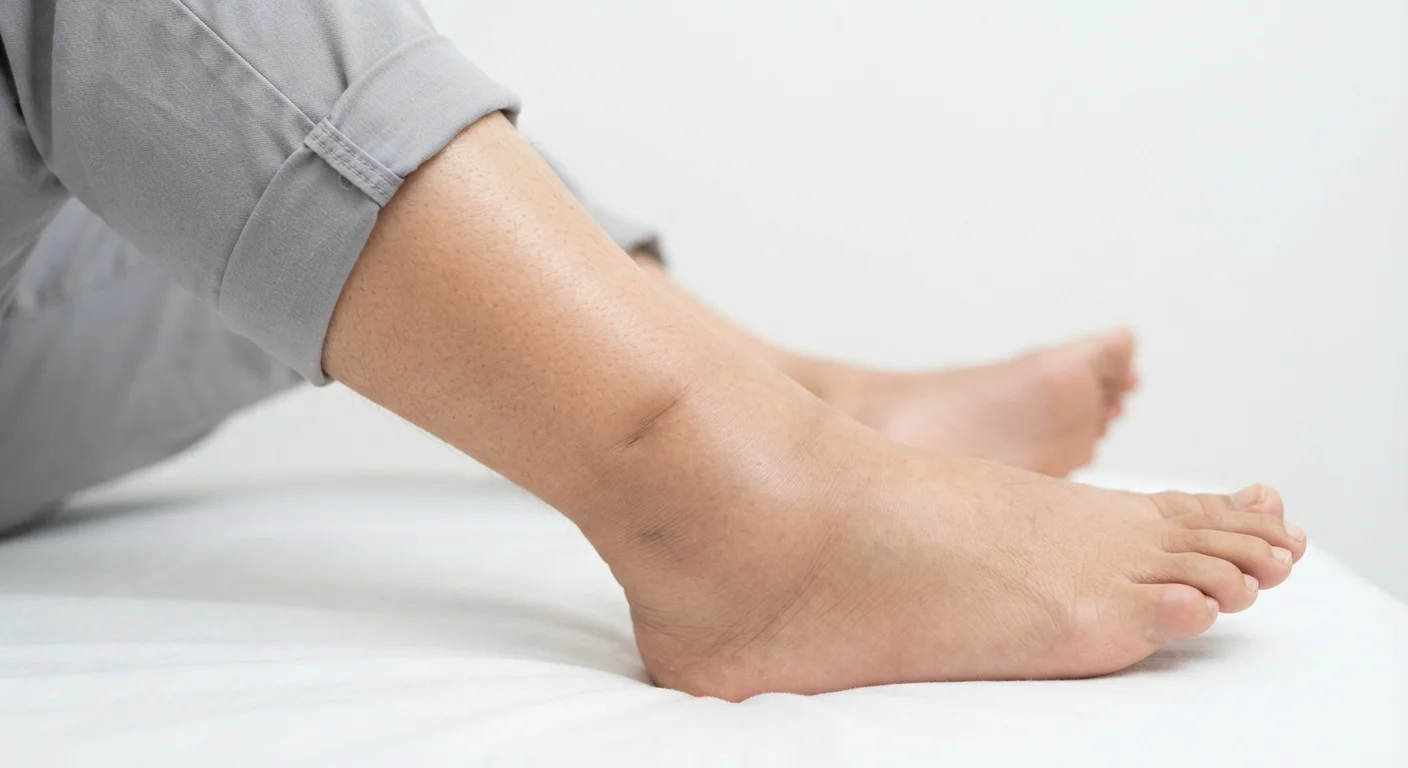
Swelling is one of the body's most common signals, yet the word covers several distinct processes. Lymphedema and generalized swelling both produce visible puffiness, but their mechanisms, timelines, and management paths differ substantially.
Lymphedema occurs when the lymphatic system cannot drain fluid adequately, usually because lymph vessels or nodes have been damaged or removed. Without functioning drainage, protein-rich fluid accumulates in tissue spaces and, over time, triggers a fibrotic (scarring) response that makes the swelling progressively firmer and harder to reverse. Cancer-related surgery and radiation are among the most documented causes, though some people are born with developmental lymphatic abnormalities, a form called primary lymphedema.
Generalized swelling, also called edema, is broader. It can arise from venous insufficiency (weakened vein valves that allow blood to pool), sodium retention from diet or medications, prolonged immobility, pregnancy, heat, or systemic disease affecting the heart, kidneys, or liver. This type of swelling often affects both sides of the body and typically responds to position changes, reduced sodium, or treatment of the underlying cause. See our foundational guide to lymphatic health for context on how the lymphatic system functions under normal conditions.
Key clinical distinctions
Clinicians use several markers to distinguish lymphedema from other forms of swelling.
Pitting vs. non-pitting edema. Pressing a fingertip into swollen tissue for a few seconds, then releasing it, produces a temporary indentation in most forms of edema (pitting edema). Lymphedema, particularly in later stages, often becomes non-pitting because protein and fibrous tissue have accumulated in the skin layers. Early lymphedema may still pit, so this test alone is not definitive.
Location and symmetry. Lymphedema typically begins in one limb or body region and remains asymmetric. Generalized edema from heart failure or kidney disease usually appears on both sides, often in the legs and ankles.
Stemmer sign. A well-recognized clinical test for lymphedema involves attempting to pinch and lift a fold of skin at the base of a second toe or finger. If the skin cannot be lifted, the Stemmer sign is positive and suggests lymphatic involvement.
Progression over time. Generalized swelling often fluctuates, improving overnight with limb elevation. Lymphedema tends to be persistent and may worsen gradually unless actively managed.
| Criterion | Lymphedema | Generalized swelling |
|---|---|---|
| Primary cause | Lymph vessel or node damage | Venous, dietary, systemic, or positional |
| Symmetry | Usually one limb or region | Often bilateral or whole-body |
| Pitting quality | Non-pitting in later stages | Typically pitting edema |
| Response to elevation | Minimal improvement | Often improves with elevation |
| Skin changes over time | Thickening, fibrosis possible | Usually no lasting skin change |
| Reversibility | Chronic, managed not cured | Often reversible with cause treated |
| Stemmer sign | Frequently positive | Typically negative |
This article provides general health information only. Consult a qualified healthcare professional for any personal symptoms or medical concerns.
Lifestyle strategies that support lymph flow
For people with diagnosed lymphedema, management is typically guided by a certified lymphedema therapist and may include complete decongestive therapy, compression garments, and specific manual drainage techniques. Self-managing without professional guidance is not recommended.
For everyday fluid retention without a diagnosed lymphatic disorder, several habits are associated with better lymphatic circulation and reduced swelling. The lymphatic system has no pump of its own; it relies on skeletal muscle contractions and breathing to move fluid. Regular movement, even short walks or gentle stretching throughout the day, supports that flow. Daily habits that support healthy lymph drainage covers practical options in more detail.
Hydration also matters. Lymph fluid is largely water, and adequate intake helps maintain its consistency and flow. Diets high in processed foods and sodium can worsen fluid retention by altering osmotic balance in tissue. Foods and hydration patterns that influence lymph health examines specific dietary factors in depth.
Posture and elevation are straightforward tools. Elevating the legs above heart level for periods during the day reduces gravitational pooling of fluid in the lower extremities. Sitting for extended hours compresses pelvic lymph vessels and slows drainage from the legs. Brief movement breaks interrupt this pattern. For broader context on recovery and lymphatic function, see the lymphatic system's role in physical recovery.
When to seek professional evaluation
Swelling that is new, unexplained, or worsening deserves clinical attention. This is particularly true when swelling is confined to one limb, appears alongside skin changes (thickening, discoloration, or repeated infections), or occurs in a person with a history of lymph node surgery or radiation. Swelling accompanied by breathlessness, chest pressure, or sudden weight gain may signal cardiac or renal involvement and warrants prompt medical assessment.
Self-diagnosis of lymphedema is not reliable because its early signs overlap with several other conditions. A healthcare professional can use physical examination, patient history, and, when needed, imaging to clarify the cause. Early identification of lymphedema, before fibrotic changes set in, generally improves management outcomes. The lymphatic system: a complete reference guide covers the full range of lymphatic conditions and when professional consultation is warranted.
This article is for informational purposes only and is not medical advice. Always consult a qualified healthcare professional for personal health concerns, symptoms, or before making changes to any treatment plan.