
Heart & Blood Pressure Health: A Complete Starting Point for Beginners

Key Takeaways
Start here
What blood pressure actually measures
Next
How to read the numbers
Then
Why blood pressure changes throughout the day
Apply it
Lifestyle factors that shape blood pressure
When you're ready
When to talk to a doctor
What blood pressure actually measures
Blood pressure is the force that circulating blood places on the walls of the arteries. The heart generates this force with every contraction, pushing blood outward through a branching network of vessels that reaches every organ in the body.
Two distinct pressures occur with each heartbeat. When the heart contracts and ejects blood, pressure in the arteries peaks. When the heart relaxes between beats and refills, pressure in the arteries falls to its lowest point. Both values carry clinical meaning.
Systolic pressure
The higher of the two blood pressure numbers, recorded when the heart contracts and pushes blood into the arteries.
Diastolic pressure
The lower of the two blood pressure numbers, recorded when the heart relaxes between beats and the arteries return to their resting state.
mmHg
Millimeters of mercury, the unit used to express blood pressure. It reflects how high the pressure would push a column of liquid mercury in a traditional measuring device.
Hypertension
A condition in which blood pressure is persistently higher than the range considered healthy, increasing the risk of heart disease, stroke, and kidney damage over time.
Vascular resistance
The degree of opposition that blood vessels present to blood flow. Narrower or stiffer vessels create higher resistance, which raises blood pressure.
Arteries are elastic. In a healthy cardiovascular system, artery walls expand slightly when pressure rises and recoil as it drops. Over time, sustained high pressure stiffens those walls and forces the heart to work harder with each beat. That cumulative strain is why blood pressure monitoring matters well before any symptoms appear.
How to read the numbers
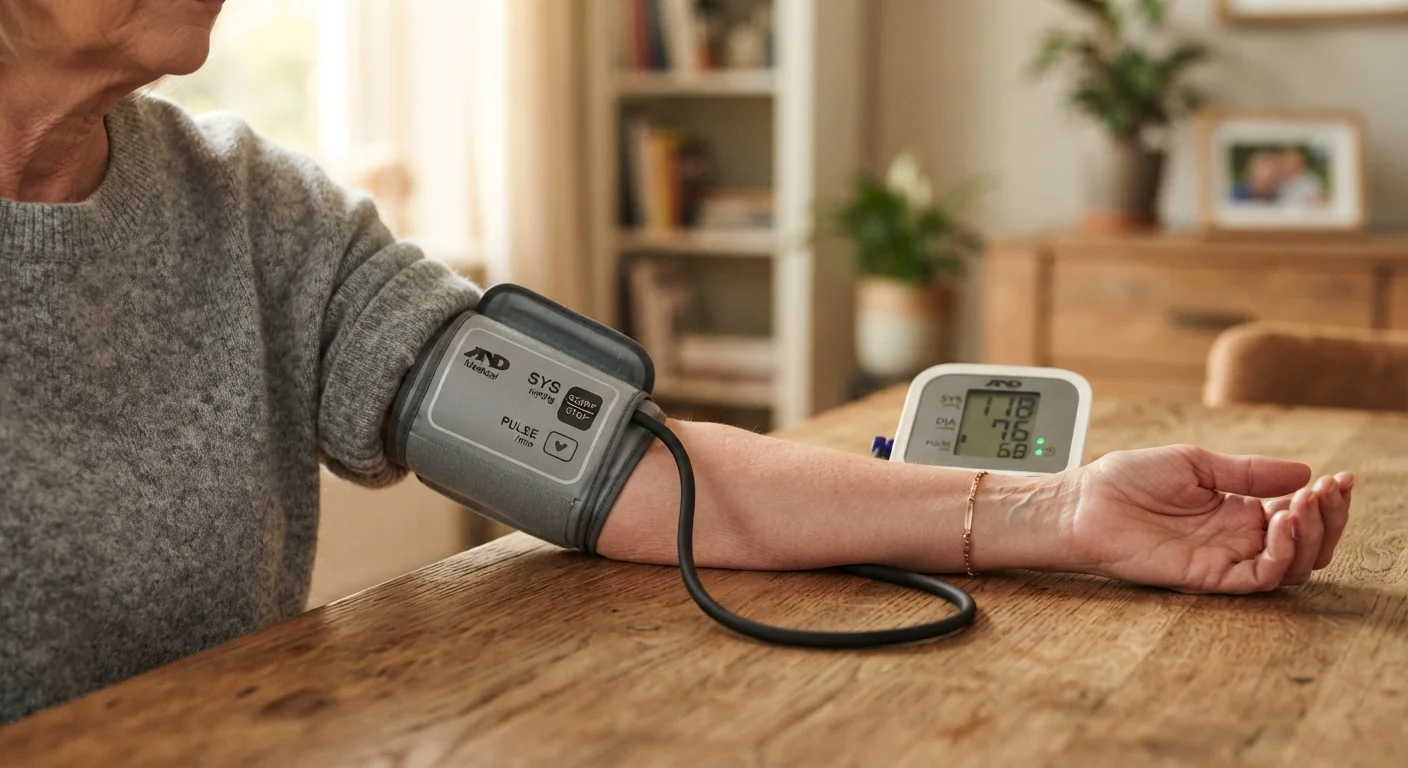
Every blood pressure reading contains two numbers written one above the other, such as 118/76. The top number is the systolic pressure, the peak force recorded during a heartbeat. The bottom number is the diastolic pressure, the baseline force between beats. Both are measured in millimeters of mercury, abbreviated mmHg.
Neither number alone tells the full story. A high systolic reading with a normal diastolic reading still warrants attention. The ratio between the two values, called pulse pressure, can itself signal arterial stiffness in some cases.
For a detailed breakdown of every clinical category from normal to hypertensive crisis, see the five blood pressure categories and what each one signals. If you are ready to start tracking readings at home, home blood pressure monitoring: getting readings you can actually trust covers cuff selection, posture, and timing in practical terms.
Why blood pressure changes throughout the day
Blood pressure is not a fixed number. It rises during physical effort, emotional stress, and cold exposure. It falls during sleep and rest. This natural variation follows a pattern called the diurnal rhythm: pressure is typically lowest in the early morning hours before waking, rises sharply after getting up, and fluctuates across the day in response to activity and meals.
Several factors cause temporary spikes that do not reflect true baseline status. Caffeine, a full bladder, recent exercise, and even the anxiety of a clinical appointment (sometimes called white-coat hypertension) can all produce higher readings. This is why multiple readings taken across different days give a more reliable picture than any single measurement.
Take readings under consistent conditions
Sit quietly for five minutes before measuring, use the same arm each time, and take readings at the same time of day. Avoid caffeine and vigorous activity in the thirty minutes beforehand. Consistent conditions make it far easier to spot genuine trends in your readings over time.
Blood pressure also responds to hormonal signals. The body's stress response triggers the release of adrenaline and cortisol, both of which constrict blood vessels and increase cardiac output. For a broader look at how hormone balance connects to cardiovascular function, the hormonal balance hub provides useful context.
Lifestyle factors that shape blood pressure
Several modifiable behaviors have well-documented effects on blood pressure levels. None of them work in isolation, and none guarantee a specific outcome, but the overall direction of evidence is consistent.
- Sodium intake: High sodium consumption causes the body to retain fluid, which increases blood volume and raises pressure. The 2020-2025 Dietary Guidelines for Americans recommend limiting sodium to less than 2,300 mg per day for most adults.
- Physical activity: Regular aerobic exercise strengthens the heart and helps arteries maintain their elasticity. Even moderate-intensity activity, such as brisk walking on most days, is associated with lower resting blood pressure in observational research.
- Body weight: Excess body weight increases the volume of blood the heart must circulate and can activate hormonal pathways that raise vascular resistance.
- Alcohol consumption: Drinking alcohol beyond low to moderate amounts is linked to higher blood pressure and reduced effectiveness of antihypertensive medications in clinical populations.
- Sleep quality: Poor or insufficient sleep disrupts the normal overnight dip in blood pressure, removing a period of cardiovascular recovery the body relies on.
Blood sugar management connects to cardiovascular health in overlapping ways. For a plain-language introduction to that topic, starting from zero: a plain-language introduction to blood sugar and diabetes covers the essentials. For structured help building daily habits, building a daily routine that supports healthy blood pressure walks through morning to evening practices grounded in the research.
When to talk to a doctor
High blood pressure, called hypertension, rarely produces noticeable symptoms in its early or moderate stages. This silence is what makes it clinically significant: organ damage can accumulate over years without any warning. The kidneys, eyes, and brain are each vulnerable to sustained elevated pressure, not only the heart. For a thorough look at those mechanisms, understanding hypertension: risk factors, mechanisms, and long-term implications covers the research in depth.
A healthcare provider should evaluate any reading that is consistently at or above 130/80 mmHg, or any reading at or above 180/120 mmHg, which requires prompt medical attention. People with diabetes, kidney disease, or a family history of cardiovascular events should seek guidance about their personal target range rather than relying on general population thresholds.
This article is for general informational purposes only and is not a substitute for professional medical advice, diagnosis, or treatment. Always consult a qualified healthcare provider with any questions you have about your blood pressure or cardiovascular health.