
Blood Pressure Numbers Explained: What Systolic and Diastolic Actually Mean

Key Takeaways
Blood pressure numbers
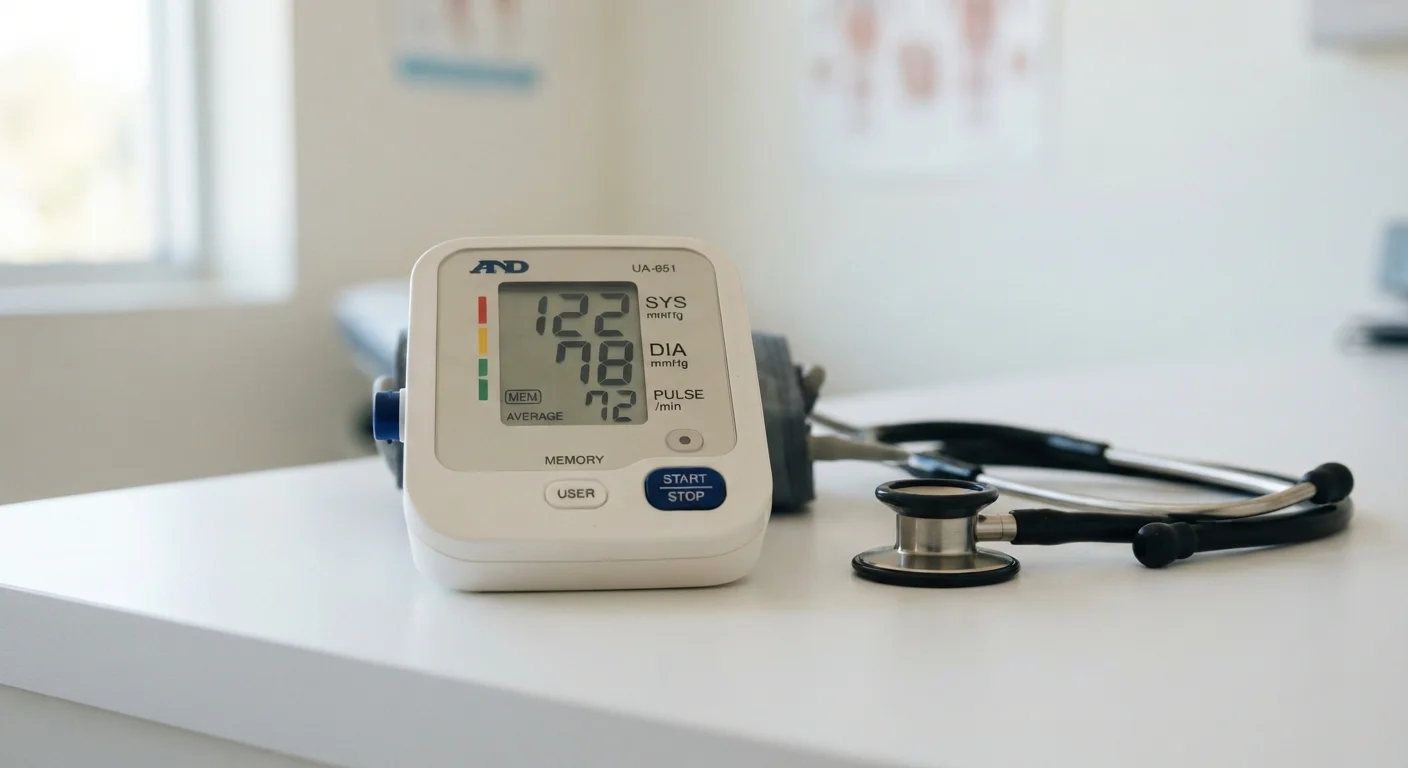
A blood pressure reading consists of two numbers written as a fraction, such as 120/80 mmHg. The top number (systolic) measures the pressure in your arteries when your heart beats and pushes blood out. The bottom number (diastolic) measures the pressure when your heart rests between beats. Both numbers together give your doctor a picture of how hard your circulatory system is working.
Pressure is measured in millimeters of mercury (mmHg), a unit inherited from early mercury-column sphygmomanometers. Modern devices are aneroid or digital, but the unit remains the clinical standard.
What the two numbers actually measure
When a healthcare provider records your blood pressure, two distinct pressures are being captured at different moments in your heart's cycle. The heart works as a pump with two alternating phases: contraction and relaxation.
The systolic number (the top figure) records arterial pressure during contraction, when the left ventricle squeezes blood into the aorta and outward through the circulatory system. This is the moment of peak mechanical force, and arteries briefly expand to accommodate the surge of blood.
The diastolic number (the bottom figure) records arterial pressure during the relaxation phase, between beats. Even at rest, arteries maintain a baseline tension because blood vessels are elastic structures with continuous tone. The diastolic reading captures that resting state.
Together, these two values describe a pressure range your cardiovascular system cycles through with every heartbeat, typically 60 to 100 times per minute. For context on how these readings translate into clinical categories, see the five blood pressure categories used in clinical practice.
Why each number carries its own significance
A common misconception is that only one number matters. Both have independent associations with cardiovascular health, though their relative importance shifts with age.
In adults under 50, the diastolic number tends to receive closer attention. Elevated diastolic pressure suggests that arteries are under persistent tension even at rest, which can stress vessel walls over time. In adults over 50, the systolic number becomes the more sensitive indicator of risk. As arteries gradually stiffen with age, the gap between systolic and diastolic readings often widens, a phenomenon discussed in detail in the article on how blood pressure changes across the lifespan.
Isolated systolic hypertension, where the top number is high but the bottom is normal, is the most common form of high blood pressure in older adults. Isolated diastolic hypertension, the reverse pattern, is rarer but clinically meaningful in younger populations.
47%
U.S. adults with high blood pressure
According to the American Heart Association, nearly half of American adults have hypertension under the 130/80 mmHg threshold adopted in updated guidelines.
60+ mmHg
Pulse pressure associated with arterial stiffness
A pulse pressure (the difference between systolic and diastolic readings) above 60 mmHg is considered a potential marker of arterial stiffness in clinical cardiovascular assessment.
10-20 mmHg
Typical systolic rise from temporary stressors
Factors such as physical activity, emotional stress, or caffeine can temporarily elevate systolic readings by this range, which is why consistent measurement conditions matter.
How blood pressure readings are taken and what affects them
A standard reading uses a cuff placed around the upper arm. The cuff inflates to temporarily stop blood flow, then slowly deflates. A device detects the pressure at which blood first flows again (systolic) and the pressure at which flow becomes continuous and unobstructed (diastolic).
Several factors can shift a reading significantly even within minutes. Physical activity, caffeine, a full bladder, conversation, and emotional stress can all raise systolic pressure by 10 to 20 mmHg temporarily. Posture matters too: dangling legs or an unsupported arm can distort results. Technique and timing have a large effect on whether a reading reflects true resting pressure or an incidental spike.
For anyone monitoring blood pressure at home, consistent method is what makes readings meaningful. The home blood pressure monitoring guide covers proper technique, cuff placement, and common errors in detail.
Blood pressure is also shaped by the broader metabolic environment. The complete starting point for heart and blood pressure health covers the lifestyle factors, including diet, sleep, and physical activity, that influence readings over time. Those managing blood sugar alongside blood pressure may find it useful to compare how both sets of numbers work by reading the guide to blood sugar number ranges.
This article is for informational purposes only and is not medical advice. Always consult a qualified healthcare provider for questions about your blood pressure readings or cardiovascular health.